
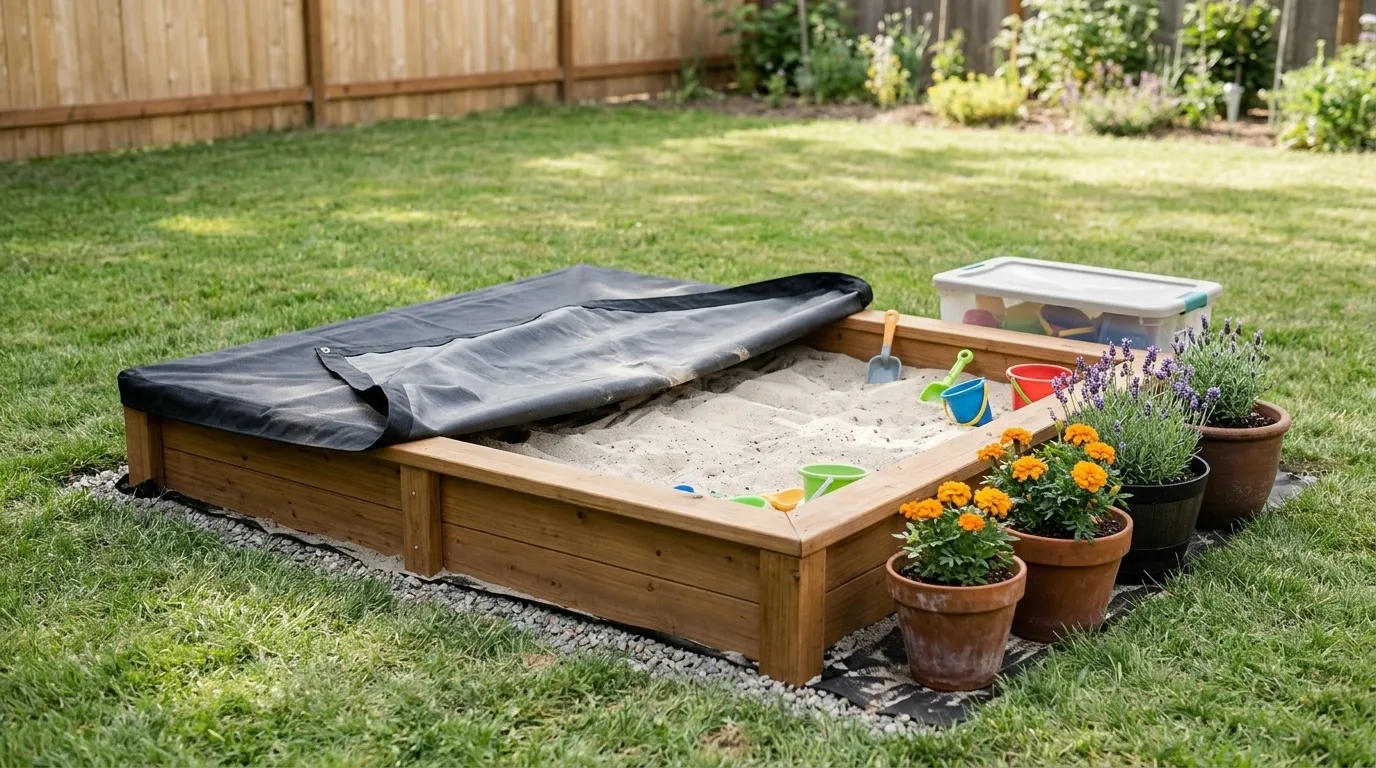
Do Sandboxes Attract Bugs? 8 Ways to Keep Them Away
- Disclosure: This post may include affiliate links. If you click a link and complete a purchase, I may earn a commission. Additionally, as an Amazon Associate, I earn from eligible purchases.
Yes, sandboxes can attract bugs, especially when they contain moisture, food crumbs, organic debris, or uncovered areas where insects can hide. Although clean, dry sand is not necessarily attractive to every insect, a poorly maintained sandbox can become a comfortable place for ants, flies, fleas, and other unwanted visitors.
For parents, discovering insects in a children’s play area can be frustrating. Some insects are simply annoying, while others may bite, sting, or introduce potential health concerns. Fortunately, you do not need complicated pest-control treatments to maintain a cleaner sandbox.
Regular cleaning, proper drainage, a secure cover, and a few sensible prevention methods can make a significant difference. Understanding what attracts insects is the first step toward keeping your children’s outdoor play area more comfortable and hygienic.
Here you can explore below 8 easy ways to protect from bugs
Why Do Sandboxes Attract Bugs?
Sandboxes provide several conditions that insects may find suitable for shelter, feeding, or nesting. The sand itself is not always the main problem. Surrounding conditions often make a bigger difference.
Moisture is one of the most common reasons insects visit sandboxes. Rainwater, spilled drinks, and poor drainage can leave sand damp for extended periods. Standing water may also create breeding opportunities for mosquitoes.
Food particles are another attraction. Small crumbs, juice spills, and leftover snacks can encourage ants and other insects to explore the area. Even tiny food remains can become a problem when children regularly eat while playing.
Leaves, branches, weeds, and decaying organic material also provide hiding places. Insects may use these materials for shelter or nesting, particularly when the sandbox is close to bushes, woodpiles, or other overgrown areas.
An uncovered sandbox creates additional problems because insects and animals can enter freely. Cats may also use loose sand as an outdoor litter box, creating a separate sanitation concern.
What Types of Bugs Can Be Found in Sandboxes?
Different insects may appear depending on the surrounding environment, weather, moisture levels, and cleanliness of the sand.
Ants are among the most common visitors. They may enter sandboxes while searching for food or suitable nesting locations. Food crumbs and damp areas can make the environment more attractive.
Bees and wasps may visit outdoor play areas while searching for water or food. Their presence does not necessarily mean they are nesting inside the sandbox, but children should avoid disturbing them.
Mosquitoes are more likely to become a problem when standing water collects nearby. They generally do not need dry sand itself; they need suitable water sources to reproduce.
Flies may be attracted to food scraps, waste, and decaying organic material around the play area.
Fleas and ticks are more commonly associated with pets, wildlife, and surrounding vegetation. They may reach a sandbox through animals or nearby grassy areas.
Other insects, including beetles and centipedes, may occasionally appear in damp or sheltered conditions.
Not every insect presents the same level of risk. However, visible infestations, stinging insects, and evidence of animal contamination deserve attention before children continue playing.
8 Effective Ways to Keep Bugs Out of a Sandbox
Keeping insects away does not require using strong chemicals around children’s toys. The most effective approach is to remove the conditions that attract pests and make it difficult for them to enter. So explore 8 effective ways below
1. Cover the Sandbox After Every Play Session
A properly fitted cover is one of the simplest ways to protect a sandbox. It prevents insects, leaves, debris, and animals from entering when children are not playing.
You can use a purpose-built sandbox lid, a suitable plywood cover, or another durable material that fits securely.
A solid cover generally provides better protection against animals and outdoor debris than an ordinary mesh screen.
Before covering the sandbox, make sure wet sand has had an opportunity to dry. Trapping moisture underneath a cover can encourage mold and unpleasant odors.
2. Keep Sand Dry With Proper Drainage
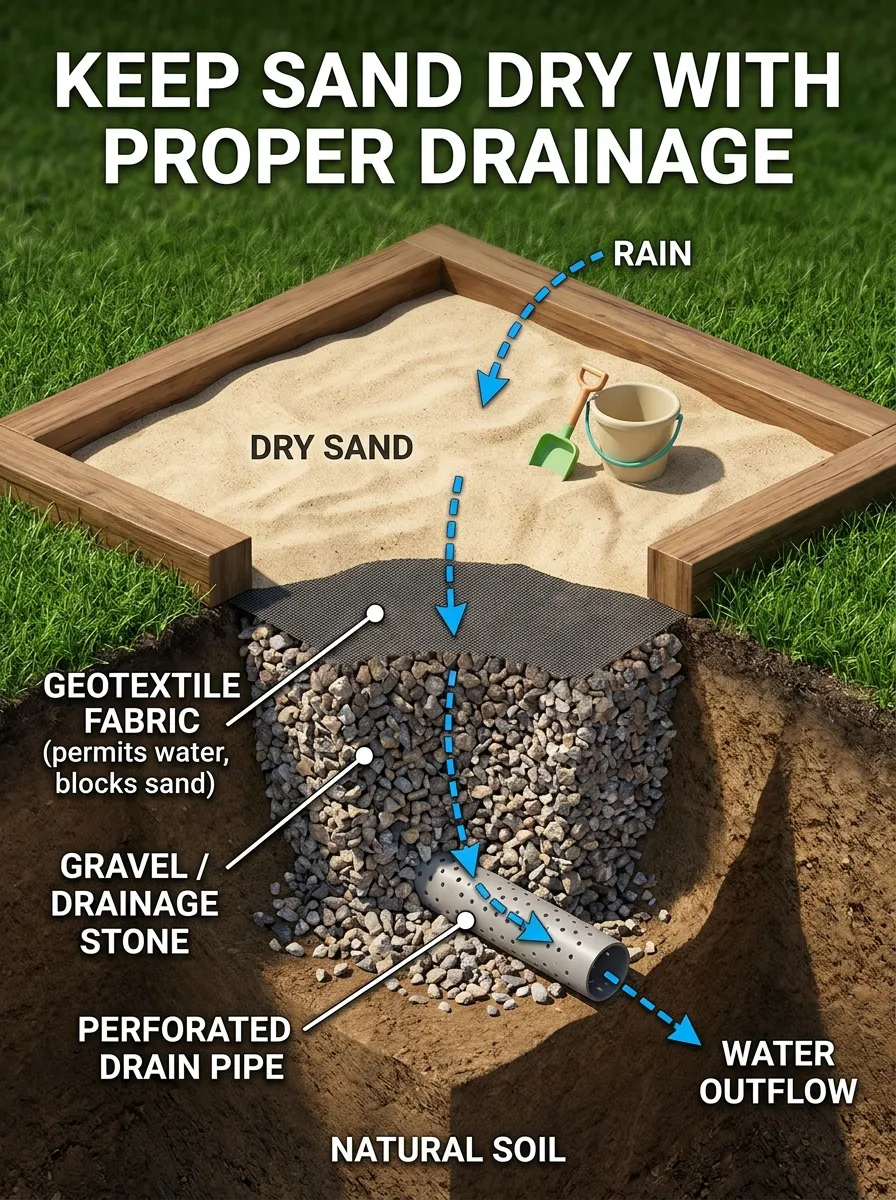
Wet sand can create favorable conditions for unwanted insects and other organisms. Proper drainage helps prevent water from accumulating beneath the play surface.
Consider installing porous landscape fabric underneath the sandbox instead of solid plastic sheeting. This allows water to drain while helping limit weed growth.
Choose a reasonably level location with good drainage. Avoid low-lying areas where rainwater regularly collects.
Direct sunlight can also help dry damp sand naturally. However, sunlight alone is not a substitute for removing standing water.
3. Use Cinnamon as a Natural Deterrent
Cinnamon is commonly suggested as a natural way to discourage ants and some other unwanted visitors.
One suggested starting example is approximately 1 tablespoon of ground cinnamon for a 4 × 4-foot sandbox, mixed into the upper 1 inch of sand.
However, cinnamon should not be considered a guaranteed insect-control treatment. Its effectiveness can vary, and rain or frequent play may reduce its usefulness.
Avoid allowing children to inhale loose powder or get it into their eyes. Stop using it if it causes irritation, and prioritize a secure cover and good sanitation instead.
4. Clean the Sandbox Regularly
Regular cleaning removes the food scraps, leaves, and organic material that can attract insects.
After every play session, remove toys, food wrappers, crumbs, and visible debris. Check the surrounding area for spilled drinks and leftover snacks.
A more thorough cleaning should take place at least once a week. Use a rake or suitable garden tool to inspect the sand and remove unwanted material.
After heavy rainfall or water exposure, check the sandbox again for damp patches, standing water, and debris.
5. Turn and Rake the Sand

Sand can become compacted, damp, and filled with small pieces of debris over time.
Turning the sand helps expose deeper layers to fresh air and sunlight. Use a clean rake or shovel to loosen compacted areas and inspect the surface.
Turning the sand several inches deep can help reveal hidden debris, insect activity, and potential animal contamination.
Pay particular attention to unusual smells, visible insects, mold, or animal droppings. If contamination is suspected, keep children away until the affected sand has been properly removed or replaced.
6. Remove Weeds and Organic Debris
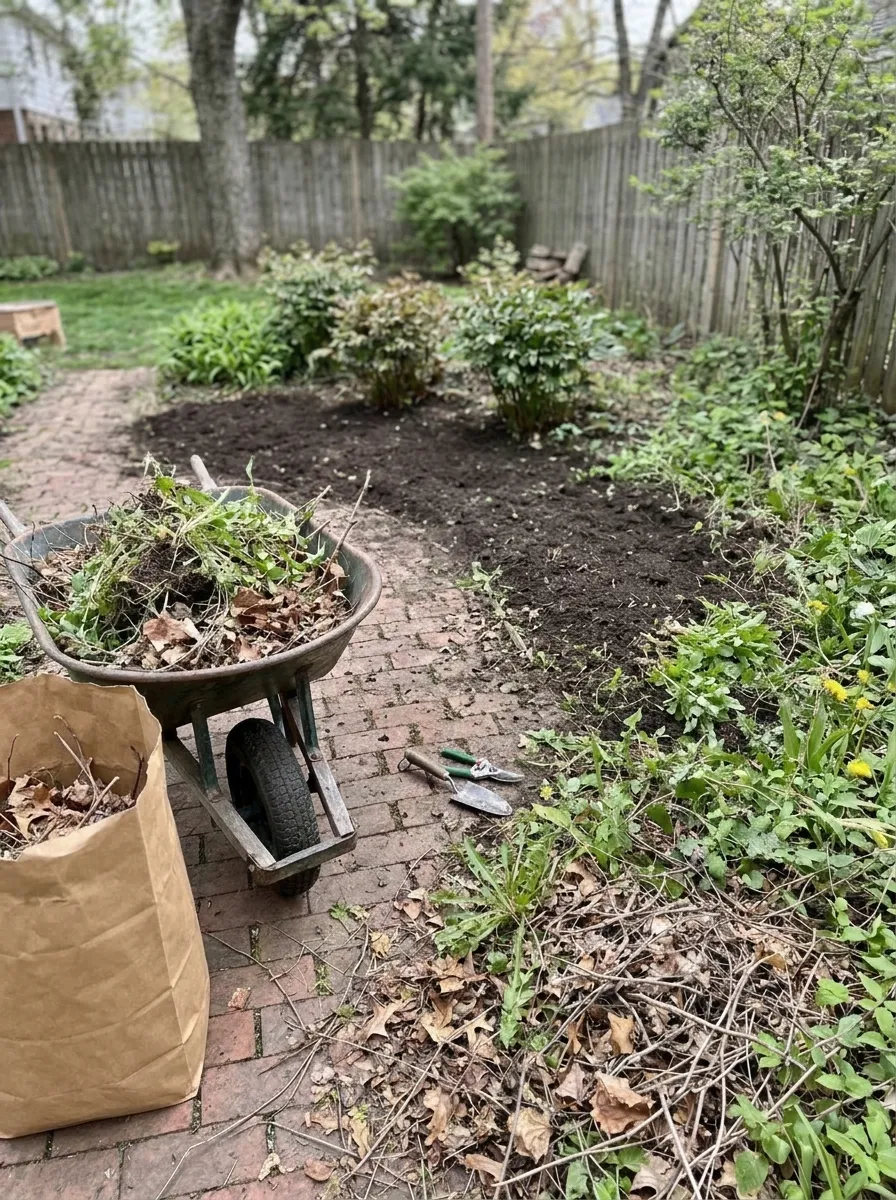
The environment surrounding a sandbox matters just as much as the sand inside it.
Overgrown weeds, fallen leaves, branches, and dense bushes can provide shelter for insects. Keeping these areas tidy reduces potential hiding places near the children’s play space.
Remove dead vegetation regularly and avoid storing firewood or garden waste directly beside the sandbox.
A clean perimeter also makes it easier to notice ants, insect activity, and other signs of unwanted visitors before they become a bigger problem.
7. Keep Food and Drinks Away From the Sand
Food crumbs and spilled beverages can attract ants, flies, and other insects.
Establish a simple rule: no eating inside the sandbox.
Encourage children to take snack breaks at a separate outdoor table or designated eating area. Clean hands, toys, and nearby surfaces after meals.
This small habit can prevent many unnecessary pest problems without requiring additional products or treatments.
8. Use Caution With Insect-Control Products
Some homeowners consider diatomaceous earth, essential oils, and commercial insect repellents for sandbox protection.
However, products that are considered natural are not automatically safe for children’s play areas.
Diatomaceous earth can create airborne dust that may irritate the respiratory system when inhaled. Essential oils, including peppermint, citronella, and lemon eucalyptus, can also cause skin or eye irritation.
Avoid mixing pesticides or chemical repellents directly into children’s play sand unless the product is specifically approved for that use and its label clearly permits it.
For most ordinary situations, start with a secure cover, proper drainage, regular cleaning, and removal of nearby insect attractants.
How Often Should You Clean and Replace Sandbox Sand?
A simple maintenance routine helps prevent insect problems from returning.
After every play session, remove food scraps, toys, and visible debris. Allow wet sand to dry before putting the cover back in place.
Once a week, rake and turn the sand, inspect for insects, and look for animal droppings or unusual odors.
Once a month, consider sifting the sand through a suitable mesh screen to remove smaller debris. If you use cinnamon as a deterrent, reassess whether it needs refreshing.
Complete sand replacement is suggested every 1–2 years, depending on its condition and usage. However, do not wait for this interval if the sand becomes contaminated, develops mold, smells unpleasant, or experiences a persistent infestation.
When replacing sand, choose clean play sand intended for children’s sandboxes rather than ordinary construction sand.
Can Cats and Other Animals Cause Problems in Sandboxes?
Yes. Uncovered sandboxes can attract neighborhood cats because loose sand resembles the material found in outdoor litter areas.
The main concern is contamination from animal feces. Cat feces can contain Toxoplasma gondii, a parasite associated with toxoplasmosis.
A secure cover is the most practical first line of protection. You can also consider properly installed hardware cloth or chicken wire between play sessions, provided there are no sharp edges or gaps that could injure children.
If you discover animal droppings, prevent children from using the sandbox. Remove contaminated material safely and assess whether the surrounding sand needs replacement.
Always wash children’s hands after outdoor play, even when the sandbox appears clean.
Frequently Asked Questions
Do sandboxes attract bugs?
Yes. Sandboxes can attract ants, flies, and other insects when moisture, food scraps, organic debris, and suitable hiding places are present.
What insects are most commonly found in sandboxes?
Ants, flies, mosquitoes, bees, wasps, beetles, and occasionally fleas or ticks may appear around sandbox areas, depending on local conditions.
Does cinnamon keep ants out of sandboxes?
Cinnamon is sometimes used as a natural deterrent, particularly against ants. However, its effectiveness is inconsistent, so it should not replace cleaning, drainage, and proper sandbox covers.
How often should sandbox sand be changed?
Complete replacement is commonly suggested every 1–2 years. Replace it sooner if it becomes contaminated, moldy, foul-smelling, or persistently infested.
Should I cover a sandbox every night?
Yes. Covering the sandbox whenever children finish playing helps prevent insects, animals, leaves, and other debris from entering.
Can wet sand attract mosquitoes?
Wet sand alone is not necessarily a mosquito breeding site. However, standing water around or beneath the sandbox can provide suitable conditions for mosquito reproduction.
Is diatomaceous earth safe for children’s sandboxes?
Diatomaceous earth can create airborne dust that children may inhale while playing. Avoid applying it directly to play sand without clear product-specific safety guidance.
What is the safest way to prevent bugs in a sandbox?
Use a secure cover, maintain proper drainage, remove food scraps, clean regularly, and keep surrounding vegetation under control. These preventive habits reduce the conditions that attract insects without relying on unnecessary chemical treatments.
Final Thoughts
Sandboxes can attract bugs, but most problems are easier to prevent when the play area is kept clean, dry, and protected. A secure cover, proper drainage, regular sand maintenance, and a food-free play environment are practical ways to reduce unwanted insects.
Pay attention to signs of infestation and animal contamination, and avoid using insect-control products that may expose children to unnecessary risks. With consistent maintenance, you can create a cleaner and more comfortable outdoor play space for your family.





One Comment