
Crawl Space Problems: 4 Issues That Could Haunt Your Home
- Disclosure: This post may include affiliate links. If you click a link and complete a purchase, I may earn a commission. Additionally, as an Amazon Associate, I earn from eligible purchases.
A crawl space is not automatically a bad thing. It is simply a shallow, accessible area between the ground and the first floor of a house, and when it is kept dry, sealed, and inspected, it does its job quietly for decades. The trouble starts when nobody looks at it.
Because most homeowners rarely go down there, small leaks and damp patches grow into expensive repairs before anyone notices. The real answer to “are crawl spaces bad?” is this: a neglected crawl space is bad, and a maintained one is perfectly fine.
This guide explains why crawl spaces are so common, what typically goes wrong, what the fixes cost, and how to decide when to call a professional.
Why So Many Homes Have Crawl Spaces
Roughly 15% to 20% of new homes in the United States are built on crawl spaces, and about 27 million existing homes already have one. The reason is practical. A crawl space needs less excavation and fewer foundation materials than a full basement, so it usually costs less to build. It also gives you access to plumbing pipes, HVAC systems, electrical wiring, insulation and floorboards, which makes repairs far easier than if everything were buried under a solid slab.
Crawl space walls are typically no taller than about 4 feet, which is why you crawl rather than walk. That low, enclosed, ground-level position is also exactly why moisture, pests, and temperature swings find their way in.
The Biggest Problem: Moisture
Moisture is the root cause of most crawl space trouble. Studies cited in the industry suggest that more than 60% of homes have some moisture issue in the basement or crawl space, so if you have found damp in yours, you are far from alone.
Water gets in from many directions. Leaking pipes drip onto the soil, groundwater rises through the dirt floor, and heavy rain saturates the ground around the foundation. Poor yard grading sends water toward the house instead of away from it, and blocked gutters spill water right beside the walls. In severe cases, storm sewer backups or flooding push water directly inside.
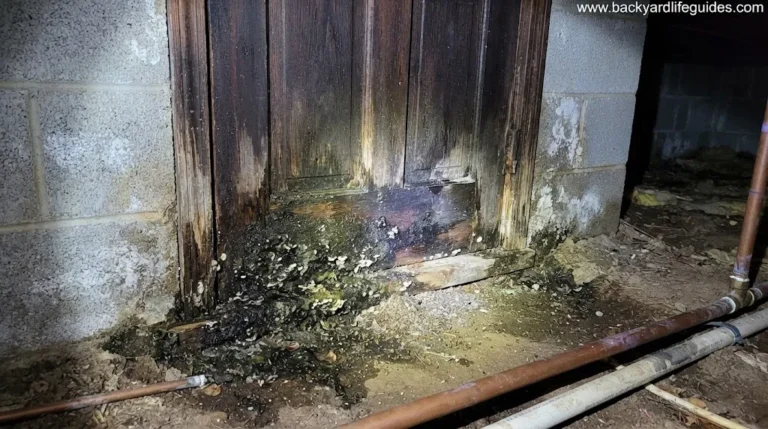
Left alone, that moisture warps hardwood floors, rots wooden support beams, weakens the foundation structure, invites mold and attracts pests. It also makes heating and cooling less efficient, so you pay for it on your energy bill as well.
How to Fix Moisture Problems
Start with the source. Repair plumbing leaks, clean and repair gutters, and make sure the soil around your home slopes away from the foundation. Yard regrading averages around $1,300, while gutter cleaning is cheap, about $149 to $219 for a single-story home and $237 to $297 for two stories.
Next, cover the dirt floor. A 6-mil plastic vapor barrier laid across the ground sharply reduces the moisture rising into the space. Professional installation typically falls between $1,200 and $4,000, and the material alone runs about $0.25 to $1.50 per square foot, so a confident DIYer can save money on small spaces.
If water still collects, a sump pump can remove it. The pump itself costs about $250 plus $100 to $200 for installation, and a fully installed system averages around $1,100. For persistent groundwater, a French drain is the heavier solution, averaging about $4,500 and reaching $10,000 on difficult sites. A crawl space dehumidifier helps keep humidity under control afterward and generally costs $1,500 to $2,000 installed, though some estimates run a little higher.
Mold, Mildew and That Musty “Old House” Smell
If your home smells musty, your crawl space is a prime suspect. Air from underneath a house does not stay underneath. Through the stack effect and leaky ductwork, it rises into the living areas, and some estimates say as much as 50% of first-floor air can originate in the crawl space. That means mold spores and damp odors can travel straight into your bedrooms and kitchen.
Mold and mildew thrive wherever moisture sits, and they can damage flooring while also creating a health risk. Because mold exposure can be dangerous, removal is one job best left to professionals. The lasting solution is the same as for moisture: dry the space, remove the existing growth, install a vapor barrier, seal unnecessary openings, and keep the area properly managed.
Not every bad smell means mold, though. A musty odor often points to damp or decaying organic material, while a rotten or sour smell can come from dead animals, droppings, construction debris left behind, moldy soil or even a sewage backup. Sewer line repairs cost about $1,073 to $4,054, and larger replacement projects average $2,250 to $5,750 (roughly $50 to $200 per foot). The key is to find and remove the source rather than masking the odor. A professional crawl space cleaning typically costs $500 to $4,000, depending on how bad things are.
Pests: Uninvited Guests Under Your Floor
An open, damp, dark crawl space is an inviting shelter. Rodents, snakes, bats, spiders, cockroaches, mosquitoes, termites, ants, wasps, beetles and even larger wildlife such as raccoons, skunks, groundhogs and opossums can all move in.
These visitors do real harm. They chew through insulation and wiring, damage structural materials, and can contribute to allergies and other health concerns. Moisture makes everything worse because damp wood attracts insects and rodents alike.
Prevention is more affordable than cleanup. Seal cracks and gaps, close or cover unnecessary vents, control moisture, and trim back shrubbery that touches the foundation. A vapor barrier makes the space less welcoming, and full encapsulation (explained below) closes it off even more effectively. If an infestation is already established, professional pest control can cost anywhere from $200 to $4,000, depending on the pest and the scale of the problem.
High Energy Bills From the Ground Up
Many older crawl spaces are vented, which means outside air flows freely beneath your floor. In winter, that cold air pulls heat out of your home, and in humid summers it brings in damp air that your cooling system has to fight. The result is a house that is harder to keep comfortable and a monthly bill that stays stubbornly high.
Insulation is the fix. Insulation rated R-19 or higher is commonly recommended, and it can be installed between the floor joists above the crawl space or as rigid boards along the crawl space walls. Using both approaches together can improve efficiency further. Insulation projects generally cost $398 to $893, which makes this one of the cheaper upgrades with a visible payoff. Covering vents and sealing cracks and joints adds to the effect, and basic vent covers start at about $26.99 each.
Crawl Space Encapsulation: The All-in-One Solution
When a crawl space has several problems at once, encapsulation is the most complete answer. Instead of fixing moisture, pests, and energy loss one by one, encapsulation turns the space into a sealed, conditioned area. It typically combines a heavy vapor barrier over the floor and walls, thermal insulation, sealed vents, drainage where needed, and a dehumidifier to hold humidity steady.
Professional encapsulation commonly costs between $5,500 and $7,500. That is a significant investment, but it often replaces several smaller repairs and protects the structure for the long term. If your space has standing water, recurring mold and pest activity together, encapsulation is usually better value than patching each problem separately.
Structural Warning Signs You Should Never Ignore
Some symptoms call for expert eyes right away. Sagging or bouncy floors, cracked or damaged support beams, visible foundation cracks, extensive mold, standing water,r and active infestations all suggest the damage may go beyond a simple repair. Replacing rotted support beams can cost $1,500 to $5,000, and serious cases may require new support columns or foundation repairs. Catching these problems early almost always keeps the bill smaller.
How Often Should You Inspect a Crawl Space?
Even when everything looks fine, plan a professional inspection every couple of years. An inspector will visually examine the space, probe the wooden framing for soft spots, ts and use a moisture meter to check whether the wood and soil are staying dry. This inexpensive habit is the best defense, because it finds trouble while it is still cheap to fix.
Between inspections, do a quick check yourself after heavy storms. Look for damp soil, a musty smell, pest droppings, dripping pipes, pests, or any change in how your floors feel underfoot. If you do enter the space, wear protective clothing and a mask, and if you see mold, standing water,ater or anything structural, step back and call a professional rather than handling it yourself.
Is a Crawl Space a Dealbreaker When Buying a House?
It does not have to be. A crawl space is one of the most common foundation types, and plenty of well-kept homes have them. If you are buying, ask for a crawl space inspection as part of the home inspection. Check for a vapor barrier, dry soil, intact insulation,ation and any signs of past water damage. A clean, dry, sealed crawl space is a good sign that the previous owner took care of the house. A damp, uninsulated, unprotected one is a negotiating point, and you can use the repair figures above to estimate what it might cost to correct.
FAQ
Are crawl spaces bad for your health?
They can be when they are damp. Mold spores and musty air can travel from the crawl space into your living areas, and pests can add allergens. A dry, sealed, and clean crawl space does not carry these risks.
Is a crawl space better than a basement?
Neither is always better. A crawl space usually costs less to build, while a basement provides extra usable space. Both can develop moisture problems, so maintenance matters more than the foundation type.
What is the cheapest way to improve a crawl space?
Fixing leaks, cleaning gutters, improving yard grading and laying a vapor barrier are the most budget-friendly steps. They tackle moisture, which is the cause of most other problems.
Do I need to encapsulate my crawl space?
Not necessarily. If your space is dry, free of pests and well insulated, regular inspections may be enough. Encapsulation makes the most sense when you face recurring moisture, mold, pests, and high energy bills together.
Can I fix crawl space problems myself?
Small jobs such as gutter cleaning, sealing minor gaps or laying a vapor barrier in a small space can be DIY projects. Mold removal, standing water, structural damage, and serious infestations are better handled by qualified professionals.
Final Thoughts
Crawl spaces are not the villain they are sometimes made out to be. They are a practical, affordable foundation that simply needs attention. Keep water out, keep the space sealed and insulated, watch for pests, and schedule an inspection every couple of years. Do that, and your crawl space can stay a quiet, trouble-free part of your home instead of a hidden source of expensive surprises.