
What Do Pond Tadpoles Eat? Complete Feeding Guide
- Disclosure: This post may include affiliate links. If you click a link and complete a purchase, I may earn a commission. Additionally, as an Amazon Associate, I earn from eligible purchases.
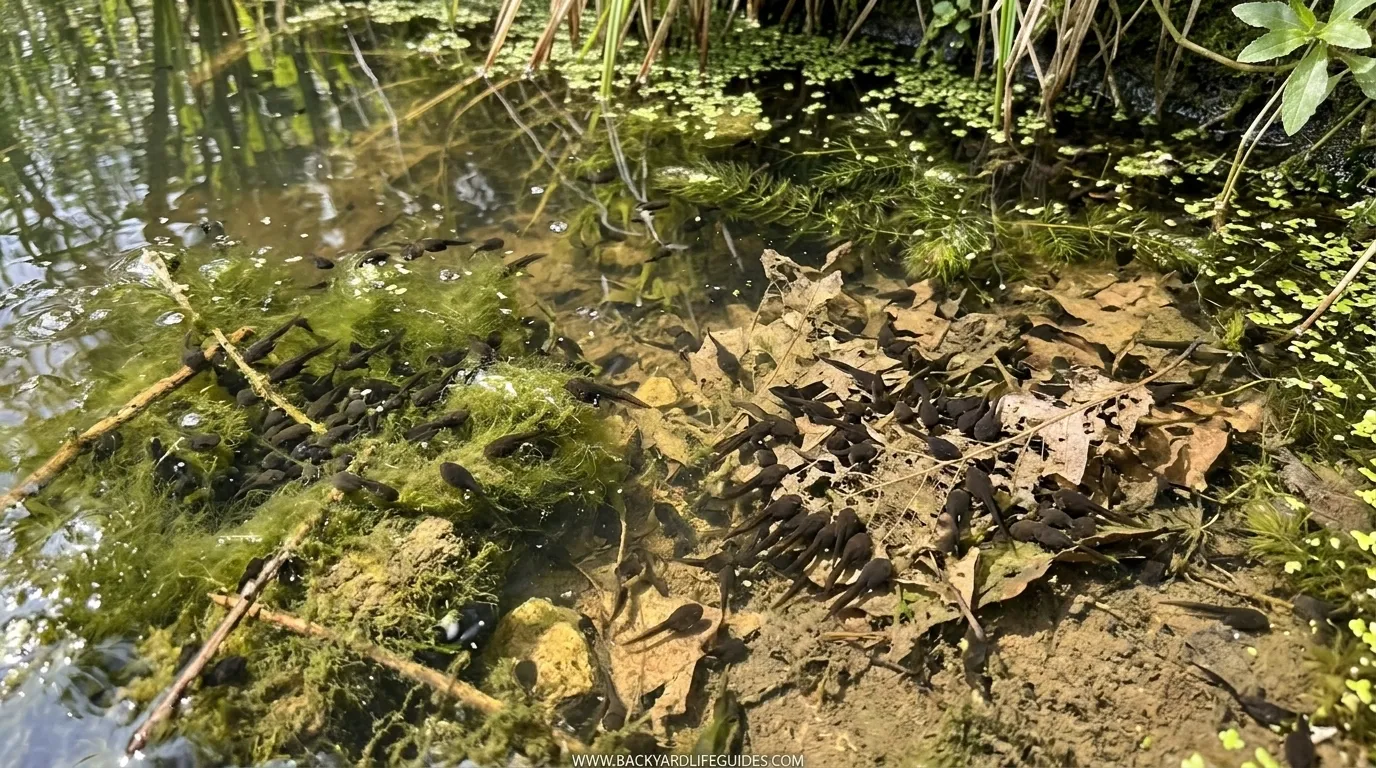
Tadpoles have different dietary needs as they grow from tiny aquatic larvae into young frogs. In natural ponds, their food mainly consists of algae, biofilm, decaying plants, and microscopic organisms. As they develop, some species also begin eating small insects, larvae, and other animal-based foods.
Most healthy ponds provide a natural food supply, so tadpoles can often find what they need without regular human intervention. However, tadpoles living in new ponds or artificial environments may require additional food.
Understanding what tadpoles eat, how frequently they feed, and when their diets change can help maintain a healthy pond environment and support their development. Follow my blog for a Complete Guide
What Do Pond Tadpoles Eat Naturally?
Young tadpoles generally depend on plant-based and microscopic food sources. They use their small mouths to scrape food from rocks, submerged plants, pond liners, and other underwater surfaces.
1. Algae and Aquatic Plants
Algae are among the most important natural food sources for young tadpoles. They graze on green algae growing on stones, plants, and other submerged surfaces.
Some tadpoles also consume soft aquatic vegetation, including duckweed and other easily accessible plant material. These foods provide nutrients and help support their early growth.
2. Biofilm and Microscopic Organisms
Biofilm is a thin layer that develops on underwater surfaces. It contains a mixture of bacteria, microscopic algae, and other tiny organisms.
Tadpoles scrape this material from pond rocks, leaves, and other surfaces while searching for food. Periphyton, which includes algae and microorganisms attached to submerged surfaces, is another important natural food source.
3. Decaying Leaves and Organic Matter
Fallen leaves, decomposing plants, and other organic materials contribute to the pond’s natural food supply.
Tadpoles may consume soft, decomposing material and the microorganisms growing on it. This feeding behavior also helps recycle organic nutrients within the aquatic ecosystem.
4. Insect Larvae and Small Aquatic Animals
As tadpoles grow, their diets can become more varied. Depending on their species and development, they may consume mosquito larvae, tiny crustaceans, aquatic worms, and other small organisms.
Some tadpoles also eat dead insects and other available organic animal matter. Their feeding behavior depends on food availability and their biological development.
What Do Tadpoles Eat at Different Growth Stages?
A tadpole’s diet changes considerably throughout its development. Understanding these stages helps explain why newly hatched tadpoles need different food from older ones.
Newly Hatched Tadpoles
Newly hatched tadpoles initially receive nutrition from the remaining egg yolk. During this early period, they may remain attached to plants or nearby surfaces rather than actively searching for food.
Once they begin swimming freely, they start grazing on algae, biofilm, and other microscopic food sources.
Growing Tadpoles
As their bodies develop, tadpoles become more active feeders. Algae, soft aquatic plants, decaying vegetation, and microorganisms remain important parts of their diet.
Some species gradually incorporate additional protein from insect larvae and other small aquatic organisms.
Tadpoles Developing Legs
When back legs begin appearing, tadpoles are approaching an important developmental stage. Their dietary requirements may change as their digestive systems develop.
Depending on the species, older tadpoles may consume more animal-based foods alongside their usual plant material.
Metamorphosis and Froglet Stage
When front legs emerge and the tail starts shrinking, tadpoles enter metamorphosis. During this transformation, their digestive systems change, and they gradually stop feeding.
Once they become froglets and leave the water, their diet shifts toward small live prey, such as fruit flies, tiny crickets, and other suitable insects.
What Can You Feed Tadpoles in a Pond or Aquarium Guide?
Natural ponds often contain enough food for tadpoles. However, artificial ponds and aquariums may not provide the same variety of microorganisms and vegetation.
If additional food is necessary, suitable options include:
Boiled lettuce: Softened lettuce provides plant-based food that tadpoles can scrape and consume.
Spinach: Lightly boiled spinach can be offered in small portions as part of a varied vegetable diet.
Algae wafers: These provide a convenient alternative when natural algae are limited.
Spirulina: This algae-based food can supplement the diets of young tadpoles.
Blanched zucchini and cucumber: Soft vegetable pieces can provide additional plant material.
Fish flakes: Small amounts of suitable fish food may help provide additional nutrients to older, developing tadpoles.
Bloodworms and brine shrimp: These animal-based foods can be suitable protein sources for certain older tadpoles, depending on their species and size.
Always choose food appropriate for the species and developmental stage. Not every tadpole has identical nutritional requirements.
How Often Should You Feed Tadpoles? – Easy Guide
For captive tadpoles that need supplementary food, offering small portions once or twice daily is a practical starting point.
The amount depends on the number of tadpoles, their size, and the food available in the tank.
For example, a thumbnail-sized piece of softened lettuce may be sufficient for approximately 10 tadpoles, while around one-quarter of an algae wafer can serve as a small-group feeding portion.
These are starting estimates rather than fixed requirements. Observe how quickly the food disappears and adjust portions accordingly.
Remove uneaten food after a few hours. Excess food can decompose, increase ammonia levels, reduce available oxygen, and negatively affect water quality.
Wild pond tadpoles generally do not need scheduled feeding when natural food is abundant.
Foods You Should Avoid Giving Tadpoles
Not all foods suitable for humans or other pets are appropriate for tadpoles. Some can cause digestive problems or contaminate their water.
Avoid offering:
- Bread, crackers, and rice.
- Cat and dog food.
- Seasoned human meals.
- Meat scraps.
- Sugary foods as regular meals.
- Iceberg lettuce as a primary food source.
- Insects collected from pesticide-treated areas.
Avoid adding large quantities of food at once. Uneaten material can quickly pollute a small aquatic environment.
How to Maintain a Healthy Pond for Tadpoles
A suitable pond environment is just as important as an appropriate diet. Tadpoles need clean water, natural food sources, and places to hide from predators.
Provide Aquatic Vegetation
Floating and submerged plants create feeding surfaces and provide shelter. Algae growing naturally on these surfaces also supplies food.
Protect Tadpoles From Predators
Fish, birds, insects, newts, and larger tadpoles can prey on smaller tadpoles. Aquatic plants, rocks, and submerged logs create hiding places that improve their chances of survival.
Maintain Water Quality
Avoid introducing chemicals, pesticides, or untreated water that could harm aquatic organisms. Remove excessive decaying food and vegetation when necessary.
For artificial ponds and aquariums, monitor water conditions and make appropriate partial water changes. Replacement water should be properly prepared and similar in temperature to the existing water.
Protect Tadpoles From Pond Pumps
Small tadpoles can enter pump openings and become trapped. A suitable protective intake cover or fine mesh barrier can help reduce this risk.
Make sure the protection does not block water circulation or interfere with the pump’s operation.
Why Do Tadpoles Sometimes Eat Each Other?
Some tadpole species display cannibalistic behavior, particularly when food is limited or population density is high.
Larger tadpoles may consume smaller individuals, especially when suitable food is difficult to find. This behavior can also occur when animal-based nutrients are insufficient.
Providing adequate natural vegetation, suitable food, and enough space can help reduce competition. However, feeding alone cannot eliminate natural predatory behavior in every species.
FAQ
Do Tadpoles Eat Algae?
Yes. Algae are an important food source for many young tadpoles. They scrape algae from submerged rocks, plants, and other underwater surfaces.
Can Tadpoles Eat Lettuce?
Yes. Softened, boiled lettuce can be offered to captive tadpoles as supplementary plant-based food. Serve small portions and remove leftovers to protect water quality.
Do Tadpoles Eat Mosquito Larvae?
Some tadpole species consume mosquito larvae, particularly as they grow and develop more varied feeding habits. However, this depends on their species and developmental stage.
How Many Times a Day Should Tadpoles Be Fed?
Captive tadpoles that need additional food can generally be offered small portions once or twice daily. Natural pond populations often find sufficient food without scheduled feeding.
How Long Do Tadpoles Take to Become Frogs?
Development varies by species and environmental conditions. Some tadpoles become froglets within approximately 5–10 weeks, while others, such as bullfrogs, can remain tadpoles for 1–2 years.
Do Tadpoles Stop Eating Before Becoming Frogs?
Yes. Feeding generally stops during the later stages of metamorphosis, particularly when front legs emerge. Their digestive systems change as they prepare for life outside the water.
Do Tadpoles Need Protein?
Some developing tadpoles consume animal-based foods, including insect larvae and tiny aquatic organisms. Protein requirements vary by species and growth stage, so their diet should not be based on one universal feeding formula.
Final Thoughts
Pond tadpoles mainly depend on algae, biofilm, aquatic vegetation, and decomposing organic material. As they grow, their diets may expand to include insect larvae and other small aquatic organisms.
A healthy pond with suitable plants, clean water, natural food, and protective hiding places provides a supportive environment for their development. If you keep tadpoles in captivity, offer appropriate supplementary food in small portions and avoid overfeeding.
By understanding their changing dietary needs, you can support tadpole development while maintaining a balanced aquatic environment.





2 Comments