
What Eats Pond Algae? 20+ Fish and Animals That Help
- Disclosure: This post may include affiliate links. If you click a link and complete a purchase, I may earn a commission. Additionally, as an Amazon Associate, I earn from eligible purchases.
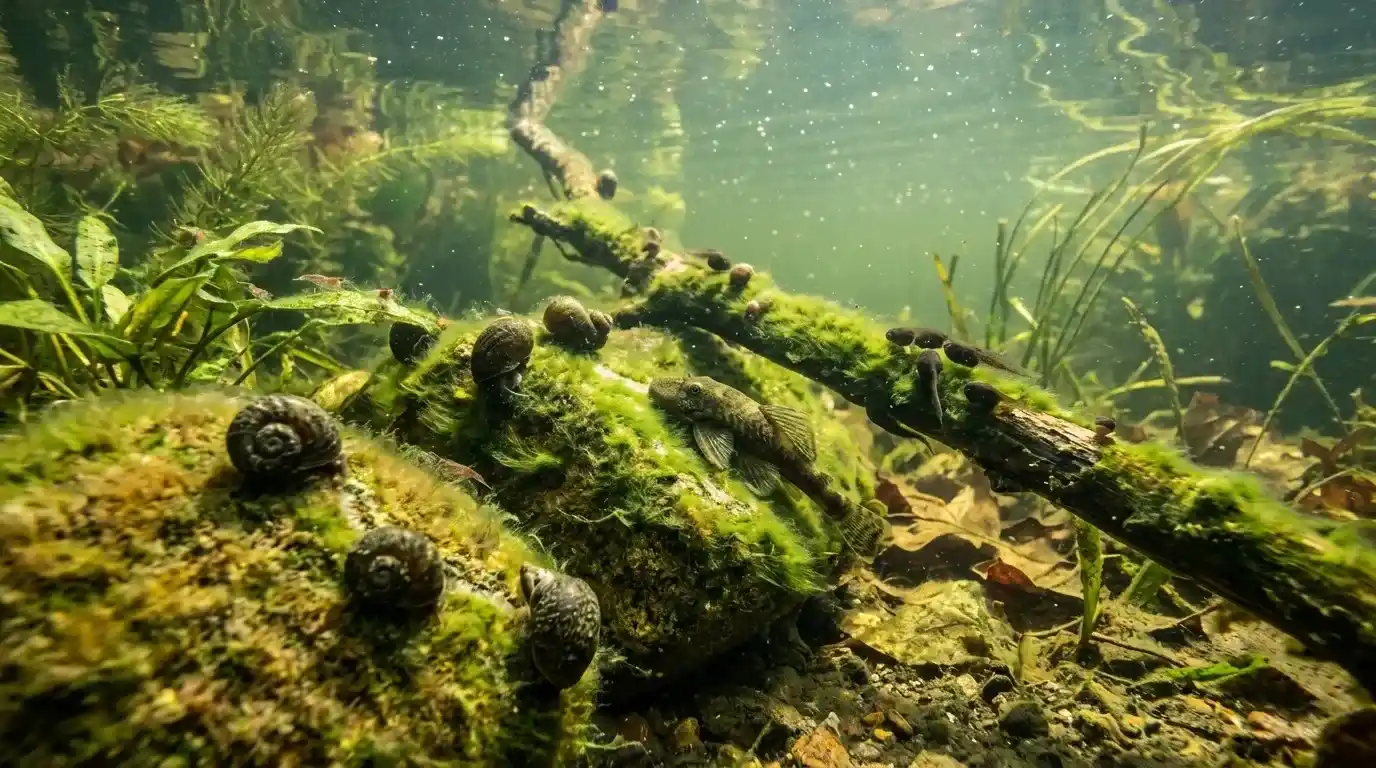
Algae are a natural part of most freshwater ponds, but excessive growth can make the water look green, cover rocks, block sunlight, and reduce available oxygen. If you want to manage algae without depending entirely on chemicals, introducing suitable algae-eating animals may help.
Several fish, snails, shrimp, tadpoles, and microscopic organisms consume different forms of pond algae. However, not every species eats the same type, and some are better suited to particular water temperatures and pond sizes.
Plecostomus, Siamese algae eaters, grass carp, pond snails, freshwater shrimp, and daphnia are among the organisms worth understanding when planning natural algae control.
The best approach is to choose species according to your pond’s conditions, identify the algae you want to manage, and maintain a healthy balance between aquatic animals and plants. Here we have provide detail guide
1. Fish That Eat Pond Algae
Fish can contribute to algae management by grazing on algae growing on pond surfaces, rocks, plants, and other submerged materials. Some species consume substantial amounts, while others eat algae as only a small part of their regular diet.
Plecostomus (Pleco)
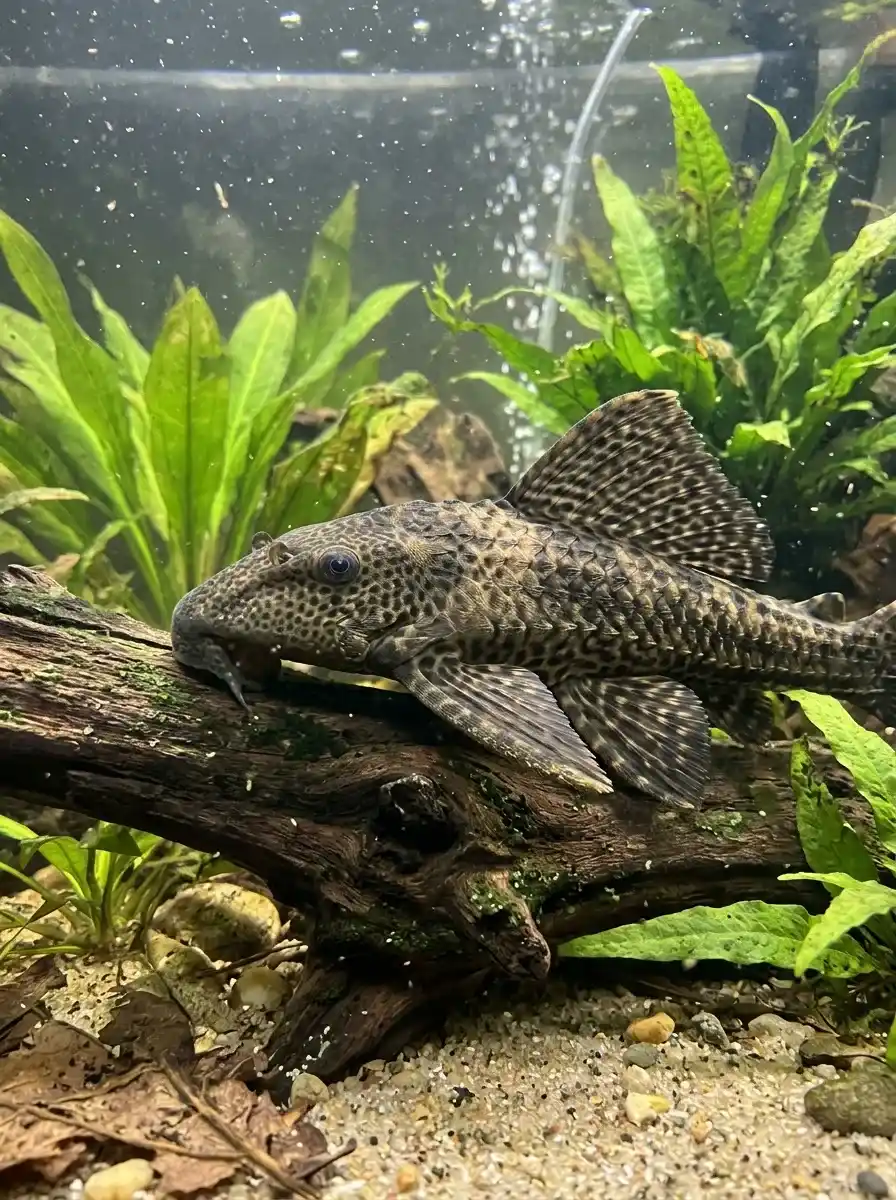
Plecostomus are popular freshwater algae-eating fish. They use their specialized mouths to scrape algae from rocks, pond walls, and submerged decorations.
Common, clown, and bristlenose plecos are among the varieties discussed in pond-care literature. However, common plecos can grow approximately 18–24 inches, making them unsuitable for many small backyard ponds.
These fish generally prefer warm water, and one important consideration is their cold-weather sensitivity. In colder climates, an appropriate indoor aquarium may be necessary during winter.
Siamese Algae Eater

Siamese algae eaters are valued for consuming several types of algae, including string algae and black beard algae.
They usually grow up to approximately 6 inches and prefer water temperatures around 72–79°F.
These fish can be useful in suitable warm-water ponds, but they need protection from predators and unsuitable winter temperatures. They should not be considered a year-round solution in every climate.
Triploid Grass Carp
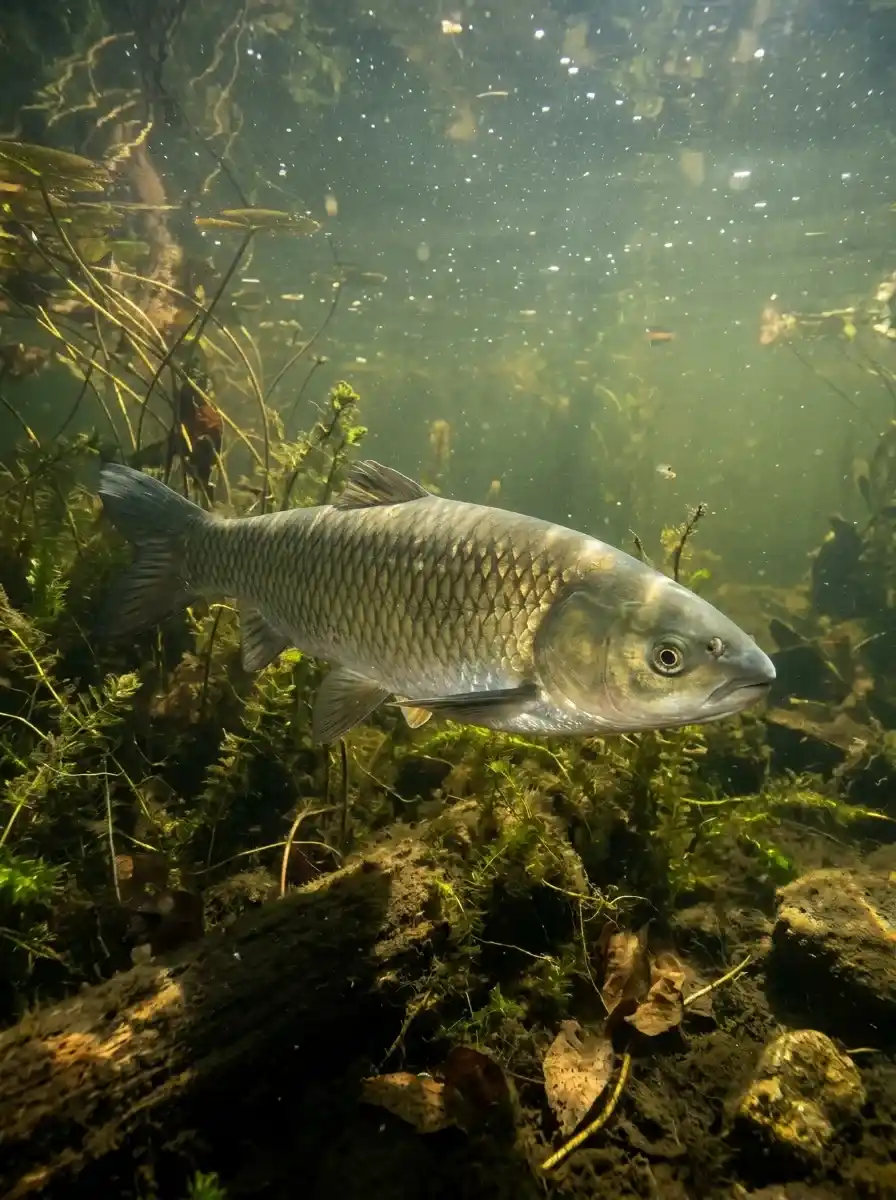
Triploid grass carp are primarily known for eating aquatic vegetation. They can also consume certain forms of filamentous algae.
They can grow up to approximately 3 feet, so they are more appropriate for larger ponds than compact garden water features.
Their triploid condition means they are bred to be infertile. However, this does not automatically make them legal to stock everywhere. Check local regulations before introducing grass carp because restrictions vary by location.
Koi and Goldfish

Koi and goldfish occasionally eat algae while searching for food around pond surfaces and vegetation.
Koi can grow approximately 2–3 feet, while goldfish commonly reach 6–12 inches, depending on their variety and living conditions.
Both fish are popular for decorative ponds, but neither should be purchased solely as an algae-control solution. They require suitable food, adequate space, and proper water quality.
Overfeeding them can increase nutrient levels in the water, potentially encouraging more algae growth.
Mosquitofish and Otocinclus Catfish

Mosquitofish, also called Gambusia, consume small aquatic organisms, mosquito larvae, and some algae. They are relatively small, usually reaching around 2–3 inches.
Otocinclus catfish are another algae-consuming option. These small fish grow to approximately 2 inches and feed on soft algae attached to submerged surfaces.
Otocinclus generally prefer stable water conditions, with temperatures around 70–80°F and a pH of approximately 6.0–7.5. They are more appropriate for carefully maintained aquatic environments than ponds with extreme temperature fluctuations.
2. Other Animals That Eat Pond Algae
Fish are not the only organisms that help manage algae. Several invertebrates and amphibians also consume algae or contribute to natural pond cleaning.
Pond Snails

Pond snails graze on soft algae growing on rocks, plant surfaces, and other submerged objects. They may also consume decaying vegetation and organic material.
Ramshorn snails and other freshwater pond snail varieties can contribute to maintaining cleaner surfaces.
However, their populations can increase quickly when food is abundant. A large snail population is not necessarily beneficial, so monitoring their numbers is important.
Freshwater Shrimp

Freshwater shrimp feed on different types of algae, including filamentous and suspended algae, depending on the species.
Cherry, ghost, grass, bamboo, and bee shrimp are examples of freshwater shrimp with different feeding habits.
They also consume decaying organic material and microscopic food particles. Their small size makes them more suitable for ponds with appropriate shelter and stable environmental conditions.
Mussels and Clams
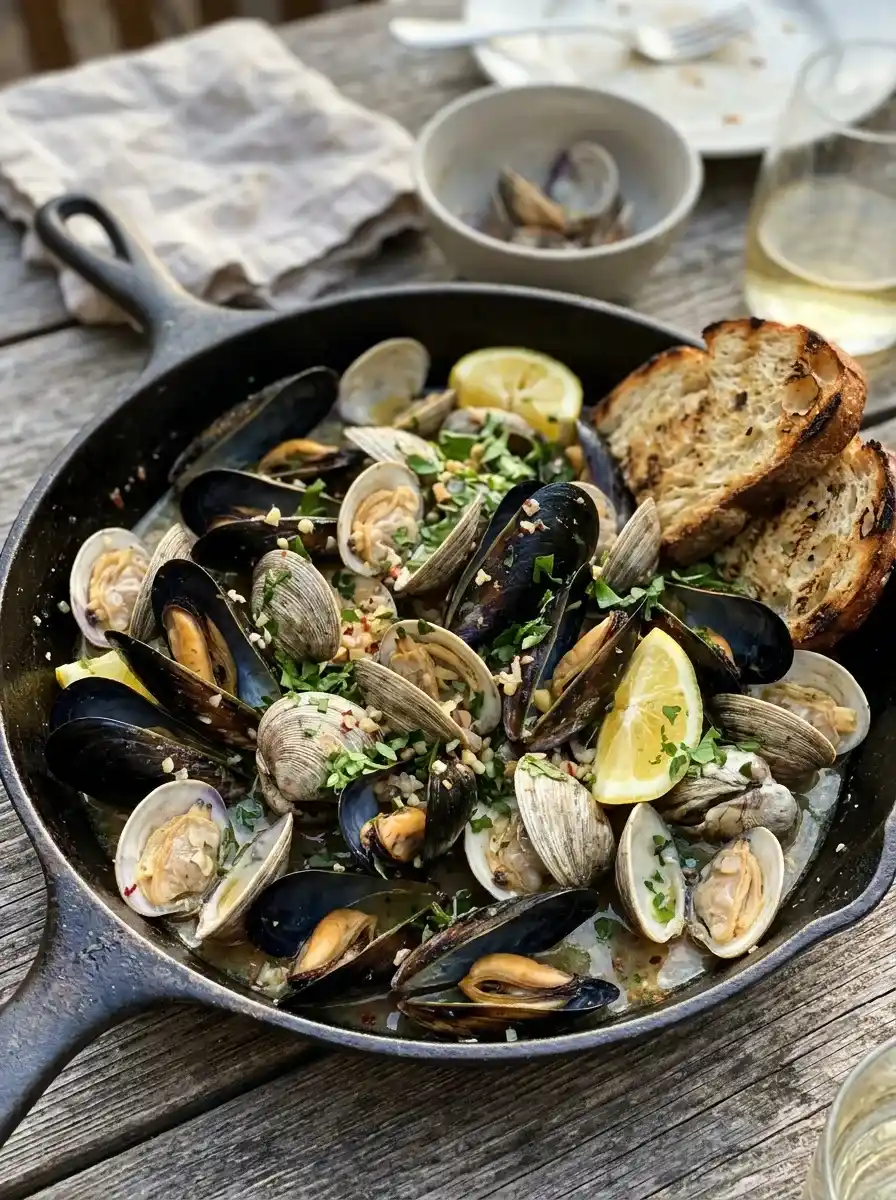
Freshwater mussels and clams are filter feeders. They remove suspended particles from water while obtaining food, including microscopic algae and other organic material.
Fingernail clams, freshwater pearl mussels, duck mussels, and swan mussels are examples of freshwater bivalves.
Their feeding behavior can contribute to water filtration, but they do not remove algae growing directly on pond walls or rocks. Some freshwater mussels also have specialized habitat requirements and conservation protections, so never collect or introduce them without checking local rules.
Tadpoles

Many tadpoles consume algae during their early development. They may also feed on plant material, bacteria, and other microscopic organisms.
Bullfrog, wood frog, American toad, and western toad tadpoles are examples of amphibian larvae with varying diets.
Their feeding habits change as they develop, so they are not permanent algae-control animals. Their presence can nevertheless contribute to pond biodiversity.
Daphnia and Amphipods
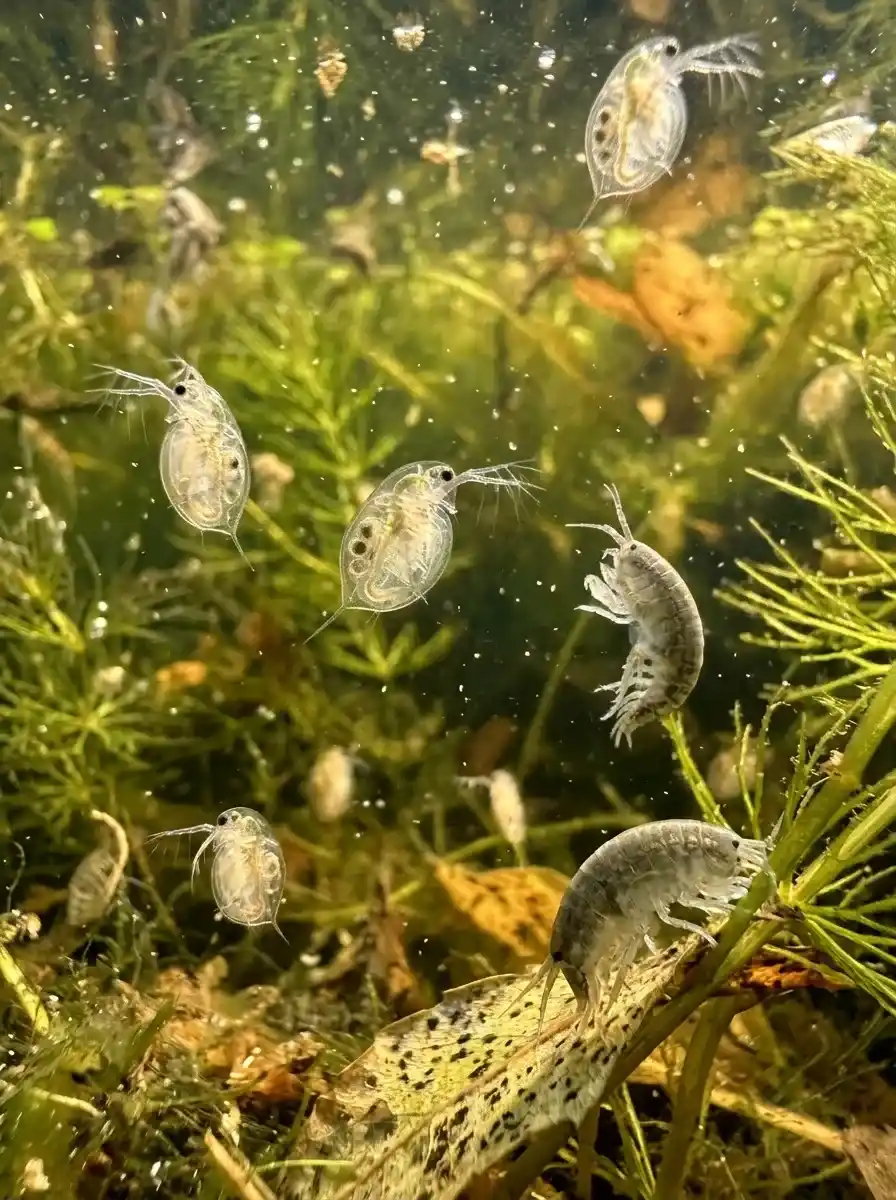
Daphnia, commonly called water fleas, are tiny crustaceans that feed on suspended algae and bacteria. They use filter-feeding mechanisms to collect microscopic food particles.
Amphipods, also known as scuds, consume organic debris and some algae while helping break down decaying material.
Both groups contribute to freshwater food webs, although their populations can be affected by predators, water quality, and available food.
3. Which Algae Eaters Are Best for Your Pond?
Choosing an algae eater depends on the type of algae, pond size, water temperature, and existing wildlife.
For algae growing on rocks and submerged surfaces, pond snails and suitable plecos may help. For suspended microscopic algae, daphnia and filter-feeding organisms are more relevant.
Siamese algae eaters are worth considering for certain difficult algae types, while grass carp are primarily useful for managing excessive aquatic vegetation in appropriately sized and legally stocked ponds.
There is no single animal that eats every type of pond algae. A combination of suitable organisms and good pond maintenance generally provides a more balanced approach.
4. How to Control Pond Algae Naturally
Adding algae-eating animals is only one part of maintaining a healthy pond. Environmental conditions strongly influence how quickly algae grow.
Improve Pond Aeration
Aeration increases water movement and helps maintain oxygen levels. Air pumps, diffusers,, and suitable water features can improve circulation.
Good oxygen availability is particularly important for fish and other aquatic organisms.
Add Suitable Aquatic Plants
Water lilies and other appropriate aquatic plants can provide shade and compete for nutrients.
Reducing excessive sunlight reaching the water surface may help slow certain types of algae growth.
Avoid Excessive Fish Feeding
Uneaten food and fish waste contribute nutrients to pond water. Excess nitrogen and phosphorus can encourage algae blooms.
Feed fish only what they can reasonably consume and remove uneaten food when possible.
Maintain Proper Filtration
A suitable pond filter helps remove suspended debris and supports better water quality.
Regularly inspect the filtration system, remove accumulated waste, and maintain adequate water circulation.
Avoid Overstocking
Introducing too many algae eaters can create additional problems. Animals may compete for food, produce waste, or become stressed when the pond cannot support their population.
Start with a suitable stocking level and monitor water quality and animal behavior.
5. Common Mistakes When Choosing Algae-Eating Animals
One common mistake is assuming that all algae eaters have the same diet. Some consume soft surface algae, while others feed on suspended microscopic organisms or aquatic vegetation.
Another problem is introducing tropical fish into ponds that become too cold during winter. Plecos and Siamese algae eaters, for example, have temperature requirements that may not match outdoor pond conditions.
Ignoring pond size can also create problems. A fish that grows to several feet may eventually outgrow a small backyard pond.
Finally, relying entirely on animals to remove algae overlooks the underlying causes of excessive growth. Nutrient buildup, sunlight, poor circulation, and decaying organic matter still need attention.
FAQs
What animal eats the most pond algae?
Grass carp consume large quantities of aquatic vegetation, while plecos, snails, and certain shrimp graze on algae. The most effective choice depends on the algae type and pond conditions.
Do goldfish eat pond algae?
Yes. Goldfish occasionally consume algae growing on pond surfaces and vegetation. However, algae should not be their only food source.
Do pond snails help control algae?
Yes. Pond snails graze on soft algae and organic material. However, their population needs monitoring because excessive numbers can become problematic.
Do tadpoles eat algae?
Many tadpoles consume algae during their early development. Their diets change as they mature, so they are not a permanent algae-control solution.
Can algae-eating fish clean an entire pond?
No. Fish can reduce certain types of algae, but they cannot eliminate every algae bloom. Filtration, aeration, nutrient management, and appropriate aquatic plants are also important.
What fish eat black beard algae?
Siamese algae eaters are known for consuming black beard algae. Their success depends on water conditions, food availability, and the fish’s suitability for the pond.
How can I prevent algae from returning?
Control excess nutrients, avoid overfeeding, maintain filtration, improve circulation, and provide suitable aquatic plant coverage. Regular pond maintenance is more effective than relying on algae-eating animals alone.
Final Thoughts
Fish and other aquatic animals can help control pond algae naturally, but choosing the right species is essential. Plecos, Siamese algae eaters, grass carp, pond snails, shrimp, and daphnia each have different feeding habits and environmental requirements.
Before introducing any species, consider its adult size, temperature needs, diet, and local stocking regulations. Combine suitable algae eaters with aeration, filtration, aquatic plants, and responsible feeding.
A balanced pond ecosystem is easier to maintain than one that depends on a single algae-eating animal. The goal is not to remove every trace of algae, but to prevent excessive growth while keeping the water healthy for fish, plants, and other aquatic life.


3 Comments