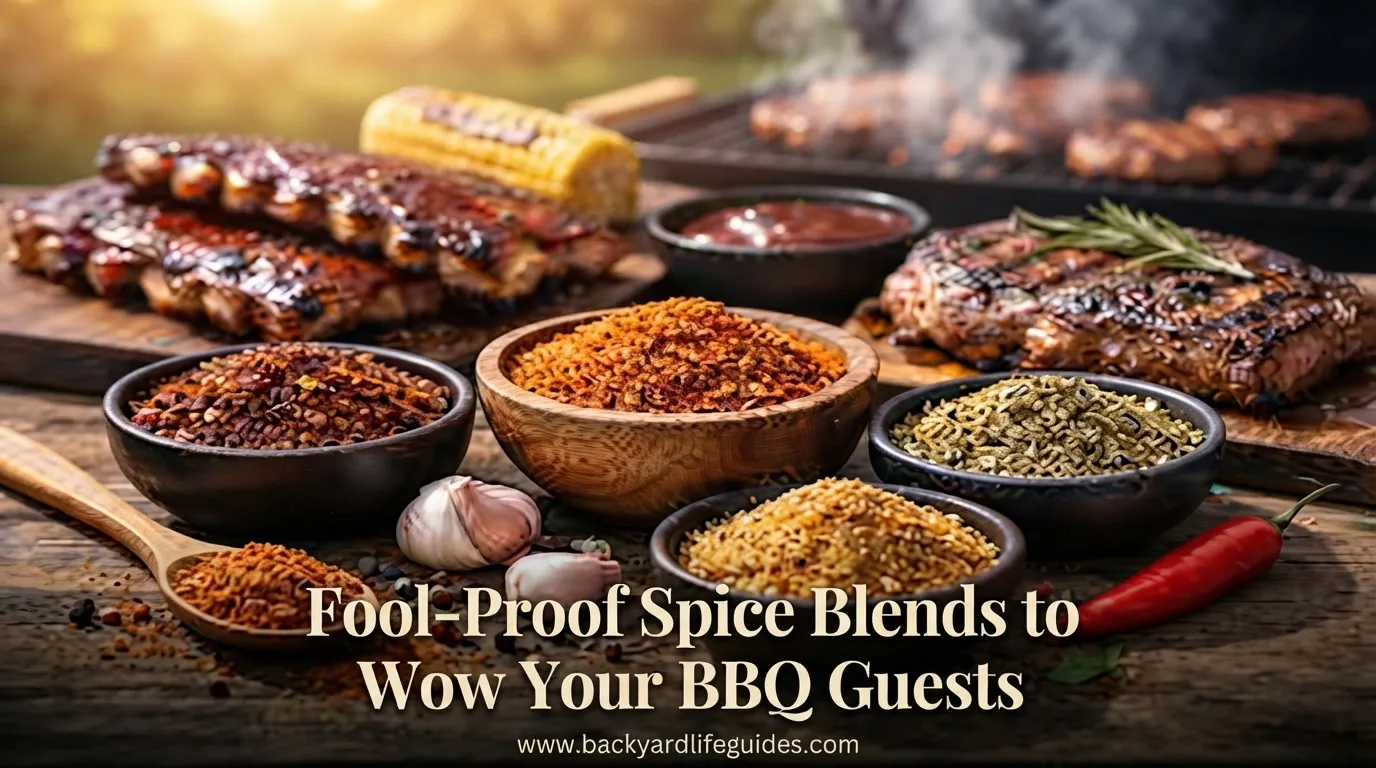
Fool-Proof Spice Blends to Wow Your BBQ Guests
- Disclosure: This post may include affiliate links. If you click a link and complete a purchase, I may earn a commission. Additionally, as an Amazon Associate, I earn from eligible purchases.
A good BBQ rub can turn an ordinary piece of meat into something guests remember. The trick is not simply adding more spices—it is choosing ingredients that work together, matching them with the food, and keeping the overall flavor balanced.
The approaches reviewed for this guide range from DIY measured rubs to established seasoning blends designed for steak, barbecue, and smoky flavors. Together, they show that a successful BBQ seasoning does not need to be complicated.
Whether you prefer a classic sweet-and-smoky rub, a spicy Korean-inspired mixture, or a more savory seasoning for steak and vegetables, the key is understanding how individual spices contribute to the final flavor.
What Makes a BBQ Spice Blend Fool-Proof?
A reliable spice blend has three basic qualities: balance, compatibility, and freshness.
Salt brings out flavor, while pepper and chili add heat. Paprika contributes color and a mild peppery character, brown sugar creates sweetness, and garlic and onion provide savory depth.
The goal is to prevent one ingredient from completely dominating the mixture.
A practical starting point is salt, pepper, and garlic powder. From there, you can gradually introduce sweetness, smokiness, herbs, heat, or additional spices depending on the meat and the flavor you want.
Start With Balance
A seasoning does not become better simply because it contains more ingredients.
For example, a blend containing cayenne, chili powder, black pepper, and mustard can become overwhelmingly hot if the other flavors are not strong enough to balance it.
Think about your blend in terms of several flavor roles:
| Flavor role | Common ingredients |
|---|---|
| Salty | Kosher salt, sea salt |
| Sweet | Brown sugar |
| Savory | Garlic, onion |
| Warm/spicy | Black pepper, cumin, cayenne |
| Smoky | Smoked paprika |
| Herbal | Thyme, rosemary, dill |
| Aromatic | Coriander, ginger, mustard |
This approach makes it easier to adjust a recipe without losing its identity.
Why Freshness Matters in Spice Blends
Even a carefully balanced rub can disappoint when the spices are old.
Ground spices can lose noticeable potency after approximately 3–6 months, particularly when exposed repeatedly to oxygen. That means an old container of ground spices may produce a much weaker rub than expected.
One useful approach is buying whole spices and grinding smaller quantities when needed. The guidance reviewed recommends making only enough ground spice for immediate use or roughly a 1-month supply.
Simple Freshness Rule
Before mixing a large batch, smell your spices.
If the aroma is weak or barely noticeable, the finished rub is unlikely to have the same intensity as one made with fresh, aromatic ingredients.
Keep spices properly closed and avoid leaving containers open while cooking.
Match the Spice Blend With the Meat
Not every rub works equally well with every protein.
A seasoning should support the natural flavor of the food instead of covering it completely.
The reviewed BBQ guidance suggests these useful starting combinations:
| Meat | Seasonings that work well |
|---|---|
| Lamb | Thyme, rosemary, paprika |
| Pork | Thyme, rosemary, paprika |
| Beef | Black pepper, chili powder, cumin |
| Chicken | Lemon pepper, dill, citrus-focused blends |
| Fish | Lemon pepper, dill, citrus-focused blends |
These are starting points rather than strict rules. A steak can still work with paprika, while chicken can handle a smoky rub.
The important point is flavor compatibility.
Spices That Work Well Together
Some ingredients naturally create more complete flavor profiles when combined.
Useful combinations from the reviewed seasoning approaches include:
- Coriander + cumin + paprika
- Ginger + red pepper
- Rosemary + garlic + parsley
- Cumin + cayenne + coriander + garlic
- Paprika + chili + parsley + basil
- Dill + cardamom + basil + ginger + garlic
- Mustard + cumin + turmeric + cinnamon
You do not need to use every ingredient in one mixture.
Instead, these combinations can help you understand which flavors complement each other when building a rub.
5 Fool-Proof BBQ Spice Blends to Try
The following five DIY blends are based on the measured recipes identified in the Backyard Life guides.
1. Classic BBQ Spice Rub
This is a straightforward combination of paprika, brown sugar, garlic, onion, salt, chili, and pepper.
Ingredients:
- ¼ cup paprika
- ¼ cup brown sugar
- ½ tablespoon garlic powder
- ½ tablespoon onion powder
- ½ tablespoon salt
- ½ tablespoon chili powder
- ½ tablespoon black pepper
- ½ teaspoon cayenne pepper, optional
The brown sugar provides sweetness while paprika, chili, and black pepper create a deeper peppery profile.
The ½ teaspoon cayenne is optional, making it easier to control the heat.
2. No-Fail BBQ Dry Rub
This recipe has more individual ingredients and combines sweetness, smokiness, herbs, heat, and savory flavors.
Ingredients:
- 1 tablespoon smoked paprika
- ⅓ cup light brown sugar
- ¼ teaspoon thyme
- ½ tablespoon garlic powder
- ½ tablespoon onion powder
- ¼ teaspoon celery salt
- 1 teaspoon cayenne pepper, optional
- 1 teaspoon chili powder, optional
- 1 tablespoon dried mustard
- ¼ teaspoon cumin
- ¼ cup kosher salt
- ¼ teaspoon black pepper
Because both cayenne and chili powder are optional, this recipe can be adjusted according to your preferred heat level.
3. Korean-Inspired BBQ Rub
This version takes a hotter, more distinctive direction through Gochugaru, smoked paprika, garlic, cumin, mustard, and cayenne.
Ingredients:
- ¼ cup Gochugaru
- ¼ cup smoked paprika
- ⅛ cup granulated garlic
- ⅛ cup ground cumin
- ⅛ cup packed brown sugar
- ⅛ cup sea salt
- 1 tablespoon mustard powder
- 1 tablespoon cayenne pepper
- 1 tablespoon black pepper
The combination of Gochugaru, smoked paprika, and cayenne gives this blend a substantially more pronounced spicy character than the simpler rubs.
4. Southern-Style BBQ Rub
This is the shortest measured blend of the five and uses six flavor components.
Ingredients:
- 2 tablespoons paprika
- 1 tablespoon brown sugar
- 1 tablespoon salt
- 1 tablespoon ground cumin
- 1 tablespoon black pepper
- ½ tablespoon cayenne pepper
It combines sweetness, saltiness, pepper, cumin, paprika, and heat without requiring a long ingredient list.
5. 5-Ingredient BBQ Dry Rub
For cooks who prefer simplicity, this blend contains exactly 5 ingredients.
Ingredients:
- ½ cup + 2 tablespoons smoked paprika
- ½ cup ground mustard
- ½ cup light brown sugar
- ¼ cup salt
- ¼ cup garlic powder
The equal ½-cup measurements of smoked paprika, ground mustard, and brown sugar make the basic proportions easy to remember.
Three Established Flavor Profiles for Grilling
The other takes a different approach. Instead of presenting several DIY recipes with exact measurements, it focuses on three established Primal Palate blends.
These are:
- Steak Seasoning
- Barbecue Rub
- Smokehouse Rub
The Smokehouse Rub is particularly highlighted as an underrated option for people who enjoy smoky, sweet, and slightly spicy flavors.
Steak Seasoning Flavor Profile
The Steak Seasoning was launched with the Griddle and Grill pack in 2016.
Its listed ingredients include:
- Coarse sea salt
- Onion
- Black pepper
- Garlic
- Chilies
- Thyme
- Rosemary
- Dill
- Coriander
Red pepper flakes contribute some heat, while the coarse salt adds texture.
Although its name suggests steak, the reviewed content describes it as useful with several other foods.
Foods Mentioned With Steak Seasoning
The suggested uses include:
- Steak
- Grilled vegetables
- Roasted vegetables
- White potatoes
- Sweet potatoes
- Chicken
- Fish
- Pork
- Beef
- Hard-boiled eggs
- Bagels
The bagel suggestion works particularly well as an everything-bagel-style seasoning concept.
Barbecue Rub Flavor Profile
The Barbecue Rub has reportedly been part of the brand since day 1 and was introduced with the Signature Blends pack.
Its ingredients include:
- Pink Himalayan salt
- Onion
- Garlic
- Paprika
- Oregano
- Turmeric
- Black pepper
- Ginger
- Cumin
- Cayenne
- Coriander
Compared with the Steak Seasoning, this profile brings more emphasis to paprika, herbs, warm spices, and cayenne.
Foods Mentioned With Barbecue Rub
The reviewed article recommends it for:
- Ribs
- Meatballs
- Burgers
- Grilled chicken
- Fish
- Pulled pork
- Homemade fries
This makes it a versatile profile when you want one seasoning to work across several grilled foods.
Smokehouse Rub Flavor Profile
The Smokehouse Rub is described as the “unsung hero” among the three featured blends.
Its intended flavor direction is similar to a barbecue potato chip, combining:
- Smoky flavor
- Sweet notes
- Slight heat
The suggested foods include:
- Wings
- Ribs
- Chicken thighs
- Pulled pork
- Barbecue shrimp
- French fries
- Homemade BBQ potato chips
The profile is especially useful when the goal is a recognizable smoky-sweet BBQ character.
How to Choose Between the 5 DIY Rubs
Choosing does not have to be complicated.
Use the following quick guide:
| If you want… | Start with… |
|---|---|
| Classic sweet BBQ flavor | Classic BBQ Spice Rub |
| A fuller, more complex rub | No-Fail BBQ Dry Rub |
| More pronounced spice and heat | Korean-Inspired BBQ Rub |
| A shorter ingredient list | Southern-Style BBQ Rub |
| Exactly 5 ingredients | 5-Ingredient BBQ Dry Rub |
This keeps the decision simple instead of forcing you to compare every ingredient individually.
How to Keep Your Homemade Rub Balanced
The most important lesson across the reviewed BBQ seasoning content is not to let one flavor take over.
Salt should enhance the food rather than make it excessively salty. Sugar should add sweetness without turning the rub into a dessert-like coating. Chili and cayenne should contribute heat without hiding the meat’s natural flavor.
Build the Blend Gradually
If you are experimenting with your own mixture, start with a basic foundation of:
Salt + pepper + garlic
Then introduce other flavors in small amounts.
You can move toward:
Sweet: brown sugar
Smoky: smoked paprika
Heat: chili powder or cayenne
Warm spice: cumin or coriander
Herbal: thyme, rosemary, dill, parsley, or basil
This gradual approach makes it easier to identify what is missing and what has become too strong.
A Simple Spice-Combination Cheat Sheet
When you want to experiment without creating a completely random mixture, these combinations provide useful starting points.
For a Smoky BBQ Direction
Try:
Smoked paprika + brown sugar + garlic + black pepper
For a Spicier Direction
Try:
Chili + cayenne + black pepper + paprika
For a Herbal Direction
Try:
Rosemary + garlic + parsley + thyme
For a Warm-Spice Direction
Try:
Cumin + coriander + paprika + garlic
For a More Aromatic Direction
Try:
Dill + ginger + basil + garlic
The purpose is not to make every combination at once. Choose a direction and keep the number of dominant flavors under control.
BBQ Spice Blend Numbers Worth Remembering
Several numbers from the reviewed content make these seasoning principles easier to remember:
- 3–6 months: approximate period after which ground spices can lose potency.
- 1 month: practical quantity suggested for freshly ground spices.
- 5: number of DIY BBQ rub recipes featured in the main recipe collection.
- 3: established grilling blends discussed in the summer grilling article.
- 2016: launch year given for the Steak Seasoning.
- ¼ cup: paprika used in the Classic BBQ Spice Rub.
- ⅓ cup: light brown sugar used in the No-Fail BBQ Dry Rub.
- ¼ cup: Gochugaru used in the Korean-Inspired BBQ Rub.
- 2 tablespoons: paprika used in the Southern-Style BBQ Rub.
- ½!– /wp:list-item –>
These measurements are especially useful when comparing the different flavor styles.
Common Mistakes to Avoid
Using Too Many Strong Spices
Adding every spice you have can make a blend confusing rather than flavorful.
Choose a few primary flavors and let supporting ingredients stay in the background.
Ignoring Spice Freshness
Old ground spices may lack the aroma and intensity needed for a flavorful rub.
Remember the 3–6 month freshness guidance when assessing older ground spices.
Making Heat the Main Flavor
Cayenne and chili can quickly dominate a seasoning.
Start with the recipe’s suggested quantity, particularly when using multiple spicy ingredients together.
Forgetting the Meat
A strong rub that works beautifully with beef may not have the same effect on delicate fish.
Use the meat-pairing suggestions as a starting point and adjust based on the food’s natural flavor.
Changing Several Ingredients at Once
If you change salt, sugar, chili, paprika, and herbs simultaneously, it becomes difficult to understand what improved or weakened the blend.
Make one small adjustment at a time.
A Fool-Proof Way to Experiment
You do not need to create a completely new recipe every time.
Start with an established blend and make small changes.
For example, if a rub tastes too sweet, reduce the brown sugar slightly. If it lacks heat, increase the chili or cayenne carefully. If it tastes flat, check the salt and aromatic ingredients before adding many new spices.
The objective is controlled experimentation, not simply adding more seasoning.
Which BBQ Spice Blend Should You Try First?
If you are making homemade rubs for the first time, the Classic BBQ Spice Rub is an easy starting point because its ingredient list uses familiar flavors.
If you want stronger smoke, the 5-Ingredient BBQ Dry Rub centers on smoked paprika.
For more heat, the Korean-Inspired BBQ Rub provides a much more pronounced combination of Gochugaru, cayenne, and black pepper.
For something simpler, the Southern-Style BBQ Rub uses only a handful of ingredients.
And if you prefer an established seasoning profile rather than measuring your own ingredients, the three Primal Palate profiles offer distinct directions: steak-focused, traditional barbecue, and smoky-sweet Smokehouse.
Frequently Asked Questions
How long do ground spices stay fresh?
Ground spices can lose potency after approximately 3–6 months, especially when repeatedly exposed to oxygen. Freshly grinding smaller quantities can help preserve stronger flavor.
What is the easiest BBQ spice blend to make?
The 5-Ingredient BBQ Dry Rub is the simplest option by ingredient count. It uses smoked paprika, ground mustard, light brown sugar, salt, and garlic powder.
Which spices work well with beef?
The reviewed guidance highlights black pepper, chili powder, and cumin as useful choices for beef.
Which spices pair well with chicken?
Lemon pepper, dill, and citrus-focused blends are suggested for chicken, while the broader blend collection also includes garlic, paprika, and other BBQ seasonings.
How can I make a BBQ rub less spicy?
Reduce or omit optional cayenne and chili ingredients. For example, the Classic BBQ Spice Rub lists ½ teaspoon cayenne as optional, while the No-Fail BBQ Dry Rub also identifies cayenne and chili powder as optional.
What spices work well together for BBQ?
Useful combinations include coriander, cumin, and paprika, as well as rosemary, garlic, and parsley. The right combination depends on the flavor direction and meat.
How many BBQ rub recipes are included in the DIY collection?
The main DIY collection contains 5 BBQ rub recipes: Classic, No-Fail, Korean-Inspired, Southern-Style, and 5-Ingredient.
What are the three established grilling blends discussed?
The three featured profiles are Steak Seasoning, Barbecue Rub, and Smokehouse Rub.
When was the Steak Seasoning launched?
The Steak Seasoning was launched with the Griddle and Grill pack in 2016.
What makes Smokehouse Rub different?
The Smokehouse Rub is described as smoky, sweet, and slightly spicy, with a flavor direction compared with a barbecue potato chip.
Final Thoughts
Great BBQ seasoning is less about using a huge number of ingredients and more about understanding balance.
Start with fresh spices, match the seasoning direction to the meat, and avoid allowing salt, sweetness, or heat to overpower everything else. The five measured DIY rubs provide dependable starting points, while the three established blend profiles demonstrate how different combinations can create distinct grilling personalities.
Most importantly, use the measurements as a foundation rather than being afraid of small adjustments. Once you understand how paprika, brown sugar, garlic, pepper, cumin, herbs, mustard, and chili contribute to a blend, creating a seasoning that suits your own BBQ becomes much easier.