Conquer Winter Grilling: 15 Cold-Weather Tips for Better BBQ
- Disclosure: This post may include affiliate links. If you click a link and complete a purchase, I may earn a commission. Additionally, as an Amazon Associate, I earn from eligible purchases.
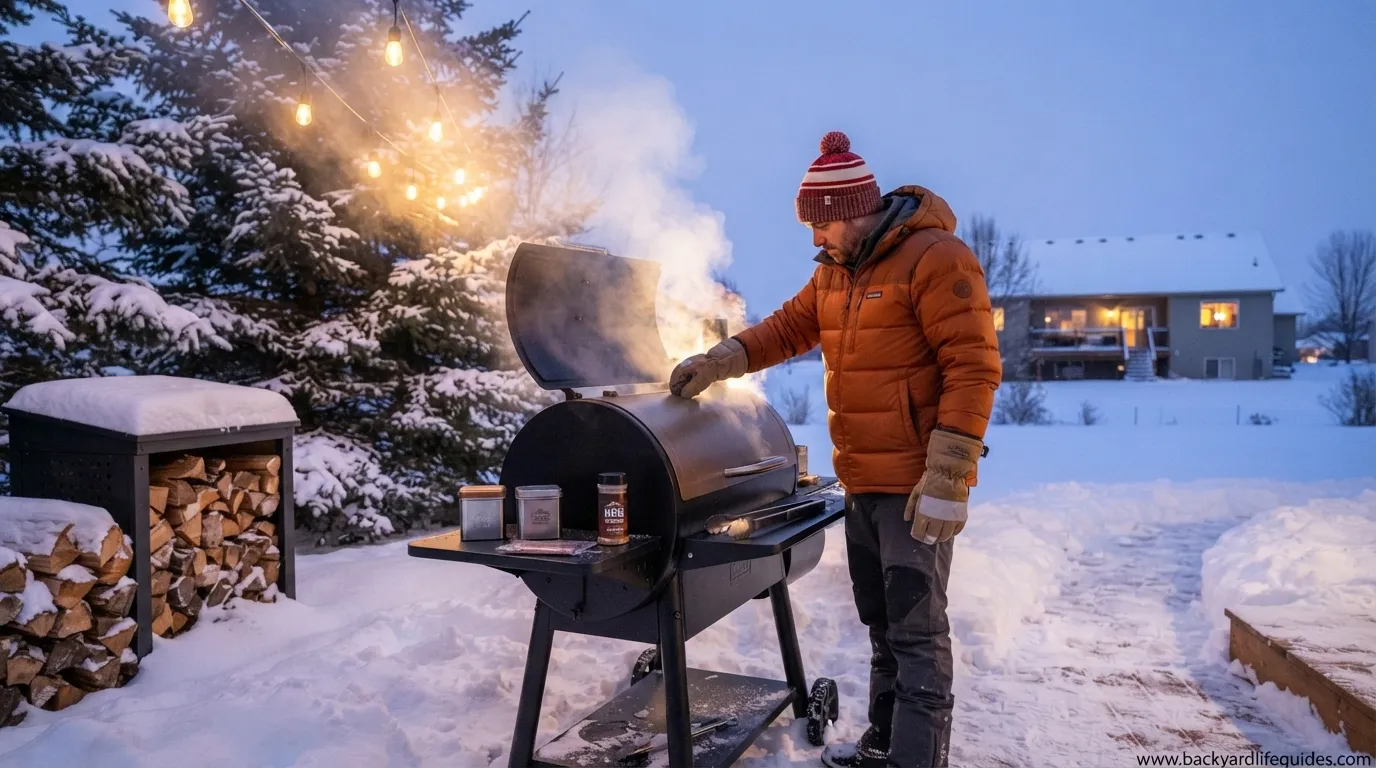
Winter does not mean your grill has to go into storage until spring. Cold weather grilling can produce excellent food when you plan for lower temperatures, wind, snow, and faster heat loss.
The biggest difference between summer and winter grilling is not the food. It is heat management. A grill may take longer to preheat, recover more slowly after the lid is opened, and use more fuel when cold air and wind constantly pull heat away.
The good news is that a few practical adjustments can make the entire process easier.
This guide brings together the most useful winter-grilling techniques into a simple workflow, from preparing your cooking area to serving the finished meal.
What Changes When You Grill in Winter?
Cold-weather grilling creates several challenges that are less noticeable during warmer months.
| Winter challenge | What it can cause | Practical response |
|---|---|---|
| Cold grill metal | Longer warm-up | Allow extra preheat time |
| Strong wind | Heat loss and higher fuel use | Position the grill carefully |
| Snow or ice | Slippery cooking area | Clear the area first |
| Frequent lid opening | Temperature drops | Use a thermometer |
| Cold food and serving dishes | Food cools quickly | Serve promptly |
| Shorter daylight | Poor visibility | Add reliable lighting |
| Cold air | More heat loss | Keep the lid closed |
The goal is not to fight the weather. Instead, reduce the effects of the weather before they interfere with cooking.
15 Winter Grilling Tips That Make Cold-Weather Cooking Easier
1. Prepare the Grill Area Before You Light the Grill
Start with the space around the grill rather than the food.
Remove snow, ice, loose debris, and other obstacles from the cooking area. Make sure you can comfortably reach the grill controls, fuel supply, tools, and cooking surface.
Winter also brings shorter daylight hours, so good lighting matters. A magnetic grill light or headlamp can make it easier to see food, controls, and thermometer readings.
A clear cooking zone is more than convenient. It improves safety and efficiency.
2. Clean the Grill Before Cooking
A clean grill provides a better starting point for winter cooking.
Remove:
- Old food residue
- Excess grease
- Ash
- Debris from the cooking area
- Material that could contribute to flare-ups
Clean grates also provide better contact with the food and help heat reach the cooking surface more consistently.
If the grill has been sitting unused for a while, inspect it before lighting it.
3. Inspect Gas Lines and Grill Components
Cold weather is a good reason to perform a quick equipment check.
For gas grills, inspect hoses and connections for cracks, damage, or leaks. Also check burners and other components for blockages or visible problems.
Do not ignore unusual flames or gas-related issues simply because you want to finish preparing dinner.
Safety comes before the cook.
4. Give the Grill Extra Time to Preheat
One of the most consistent winter-grilling recommendations is to allow more time for the grill to reach a stable temperature.
A typical preheat may take around 15 minutes, while winter conditions can justify adding approximately 10 extra minutes. That gives you a practical starting point of around 25 minutes, although actual time depends on your grill, fuel, wind, and weather.
Another recommends approximately 10–15 extra minutes in cold conditions.
The important lesson is simple:
Do not rush the preheat.
Starting with a properly heated cooking surface can make the rest of the cook much more predictable.
5. Keep the Grill Lid Closed
Opening the lid repeatedly is one of the easiest ways to lose heat during winter.
Every time the lid goes up, warm air escapes and cold air enters. The grill then has to work harder to recover its temperature.
Instead:
- Use the built-in thermometer.
- Use an instant-read thermometer when appropriate.
- Consider a leave-in probe for longer cooks.
- Check food only when necessary.
The less often you open the grill, the easier it becomes to maintain stable heat.
6. Position the Grill Away From Strong Wind
Wind can be one of the biggest problems during winter grilling.
It can pull heat away from the grill, increase fuel consumption, and make maintaining a consistent temperature more difficult. Strong gusts can also interfere with burners.
Place the grill in a naturally protected area when possible.
A suitable wall or fence can act as a wind barrier, but the grill must still have safe airflow and adequate clearance.
Do not create an enclosed grilling area just to escape the cold.
7. Use a Windbreak Carefully
If natural protection is not enough, a suitable folding windbreak can help reduce direct exposure to gusts.
The purpose is to reduce wind, not completely surround the grill.
Always maintain appropriate ventilation and follow the grill manufacturer’s clearance requirements.
This small adjustment can make temperature management considerably easier on windy days.
8. Plan for More Fuel
Winter grilling can consume more fuel because the grill loses heat more quickly.
Depending on the grill, your fuel may include:
- Propane
- Gas
- Charcoal
- Wood
Keep enough fuel available before starting a longer cook. Running out halfway through a winter barbecue is particularly inconvenient when the nearest replacement requires leaving the cooking area.
For charcoal users, the SnS Grills approach emphasizes efficiency through the Slow ‘N Sear® Insert and states that it can use up to 50% less charcoal.
That is a product-specific claim, so actual fuel savings will vary according to equipment, cooking method, weather, and user technique.
9. Use a Reliable Thermometer
Winter conditions make cooking time less predictable.
Instead of relying entirely on a recipe’s stated cooking time, monitor temperature directly.
A useful setup can include:
Grill thermometer: Helps monitor the cooking environment.
Instant-read thermometer: Useful for checking food quickly.
Leave-in thermometer: Useful when you want to monitor longer cooks without repeatedly lifting the lid.
This is particularly valuable for meat because the outside weather can affect cooking speed.
10. Increase Heat Carefully When Necessary
Cold conditions may require slightly more heat than your normal warm-weather routine.
However, simply turning the grill to maximum heat is not always the answer.
The objective is consistent cooking temperature, not uncontrolled heat.
For some winter cooks, slightly increasing the heat can compensate for cold conditions. The My Backyard Life guide specifically recommends turning the heat somewhat higher while using indirect flames and keeping the hood closed.
Make changes gradually and monitor the thermometer rather than guessing.
11. Consider an Insulation Blanket in Freezing Weather
An appropriate grill insulation blanket can help retain heat when temperatures are particularly low.
This can be useful when:
- The weather is freezing.
- Wind is strong.
- The grill struggles to maintain temperature.
- You are cooking for an extended period.
Use only an accessory designed for your particular grill and follow its instructions.
Do not improvise with household blankets or other materials that are not designed for high-temperature equipment.
12. Use Water to Manage Moisture During Long Cooks
Cold air contains less moisture, which can affect the environment inside a grill or smoker.
SnS Grills specifically recommends using a water reservoir with its Slow ‘N Sear® system to help maintain moisture and produce steam for hours.
For suitable long cooks, water can therefore become part of the overall cooking strategy.
The important point is to use a water system appropriate for your grill or smoker rather than adding water where the equipment is not designed for it.
13. Choose Foods That Work Well in Winter
Winter is an excellent time for hearty grilled foods.
Slow-cooked options include:
- Brisket
- Pork shoulder
- Ribs
Seasonal vegetables can include:
- Squash
- Brussels sprouts
- Sweet potatoes
For faster meals, griddle-friendly foods can work particularly well. Examples include:
- Breakfast foods
- Smash-style burgers
- Stir-fry
American Made Grills also highlights smoky flavors from woods such as hickory and applewood, along with grilled fruits such as apples and pears.
14. Prepare Food Indoors and Minimize Trips Outside
Winter grilling becomes much more comfortable when the outdoor portion of the process is organized before you start.
Prepare ingredients indoors where practical:
- Season meat.
- Prepare vegetables.
- Arrange utensils.
- Organize sauces.
- Prepare serving dishes.
- Check your fuel.
- Set up your thermometer.
SnS Grills specifically recommends preparing and seasoning food indoors before heading outside.
This keeps your outdoor time focused on cooking rather than preparation.
15. Serve the Food Promptly
Cold weather can cool freshly grilled food quickly.
Once meat reaches the desired doneness, serve it promptly. If you prefer to rest the meat, My Backyard Life recommends keeping the resting period to approximately 2 minutes in this winter-grilling context.
Warm serving dishes or platters can also help reduce the temperature drop between the grill and table.
For a winter barbecue, timing matters almost as much as cooking.
A Simple Winter Grilling Checklist
Before lighting the grill, run through this quick checklist:
| Check | Ready? |
|---|---|
| Snow and ice cleared | ☐ |
| Grill cleaned | ☐ |
| Gas lines/components inspected | ☐ |
| Fuel supply checked | ☐ |
| Thermometer ready | ☐ |
| Lighting arranged | ☐ |
| Wind exposure reduced | ☐ |
| Food prepared | ☐ |
| Gloves/clothing ready | ☐ |
| Serving dishes prepared | ☐ |
This takes only a few minutes but can prevent several common winter-grilling problems.
Winter Grilling Safety: What You Should Never Ignore
Cold weather should never encourage shortcuts.
Never Grill Inside a Garage
Do not move a grill into a garage, shed, or other enclosed area simply because it is cold outside.
Outdoor grills need appropriate ventilation. American Made Grills specifically warns against grilling inside garages or enclosed spaces because of carbon monoxide buildup.
Keep Clothing Away From Flames
Wear warm clothing that does not create unnecessary fire hazards.
Insulated gloves can protect your hands while handling hot equipment, but avoid loose scarves, dangling fabric, tassels, or similar material near flames.
Keep the Ground Clear
Snow and ice can turn the area around a grill into a slipping hazard.
Clear your working area before cooking and keep essential tools within easy reach.
Keep Children and Pets Away From the Cooking Zone
A warm grill can attract attention during cold weather.
Maintain a clear boundary around the cooking area and never leave an active grill unattended.
How Long Should You Preheat a Grill in Winter?
There is no universal winter preheat time because grill design, fuel, wind, and temperature all affect performance.
However, the guidance gives useful benchmarks.
My Backyard Life starts from approximately 15 minutes under normal conditions and recommends adding 10 minutes during winter, creating a roughly 25-minute starting point.
American Made Grills recommends adding 10–15 minutes in cold conditions.
The best approach is therefore to use the clock as a guide but rely on your thermometer and stable cooking temperature as the final test.
Does Wind Make Winter Grilling Take Longer?
Yes. Wind can remove heat from the grill and make it harder to maintain a consistent cooking temperature.
It can also increase fuel consumption and make burners more difficult to manage.
The practical solution is to:
- Position the grill away from direct wind.
- Use a safe windbreak when appropriate.
- Keep the lid closed.
- Allow additional preheat time.
- Monitor temperature instead of guessing.
Wind management is one of the easiest ways to make winter grilling more predictable.
What Are the Best Foods to Grill in Winter?
The best choice depends on how much time you have.
For a Long Cook
Choose:
- Brisket
- Pork shoulder
- Ribs
For a Quick Meal
Choose:
- Smash-style burgers
- Stir-fry
- Breakfast foods
- Griddle meals
For Side Dishes
Try:
- Squash
- Brussels sprouts
- Sweet potatoes
For Something Different
Grilled apples and pears can provide a warm winter dessert, while hickory or applewood can add smoky character to suitable foods.
Should You Open the Grill Lid During Winter?
Only when necessary.
Repeatedly opening the lid allows heat to escape and forces the grill to recover its temperature. This becomes more noticeable in cold weather.
Use the grill’s thermometer or a suitable probe whenever possible.
Think of every unnecessary lid opening as a heat reset.
How Can You Keep Food Warm After Grilling?
The simplest strategy is to reduce the time between cooking and serving.
Have plates and serving dishes ready before the food comes off the grill. Serve immediately when practical, and avoid leaving cooked food exposed to the cold for longer than necessary.
For meat that needs a short rest, plan that time into your serving schedule.
What Should You Wear for Winter Grilling?
Choose clothing that provides warmth without creating a fire hazard.
A practical setup can include:
- Warm footwear
- Insulated heat-safe gloves
- Close-fitting outer layers
- Non-flammable clothing
Avoid loose scarves, dangling accessories, or clothing that could come close to the flame.
Comfort matters because being cold can make you rush the cooking process.
Is Winter Grilling Worth It?
Absolutely—if you prepare for the conditions.
Winter grilling is less about finding a special trick and more about developing a reliable routine:
Prepare → Preheat → Protect → Monitor → Cook → Serve
Once these habits become automatic, snow, cold air, and wind become manageable parts of the cooking environment rather than reasons to stop grilling.
Your 10-Minute Pre-Grill Winter Routine
Before every winter cook, use this simple sequence:
Minute 1–2: Clear snow, ice, and debris.
Minute 3: Check fuel.
Minute 4: Inspect the grill and gas connections if applicable.
Minute 5: Set up lighting and tools.
Minute 6: Position or adjust the wind protection.
Minute 7: Prepare your thermometer.
Minute 8: Bring prepared food outside.
Minute 9: Start the grill.
Minute 10: Begin the preheating process and keep the lid closed.
The actual cooking preparation may take longer depending on your equipment and weather, but this routine helps prevent the most common last-minute problems.
Frequently Asked Questions
How much extra time should I allow when grilling in winter?
Start by allowing approximately 10–15 extra minutes for preheating. Some cooks may need more depending on wind, temperature, grill type, and fuel.
How long should I preheat a grill in cold weather?
A useful starting point is around 25 minutes when a grill normally takes about 15 minutes and you add approximately 10 winter minutes. Always confirm that the grill has reached a stable cooking temperature.
Should I keep the grill lid closed in winter?
Yes. Keeping the lid closed helps retain heat and reduces the amount of time and fuel needed to recover temperature after opening.
Does winter grilling use more fuel?
It can. Cold temperatures and wind increase heat loss, meaning the grill may require more fuel to maintain the same cooking conditions.
Should I grill when it is snowing?
Snow itself does not automatically prevent outdoor grilling, but the cooking area should be safe, clear, and suitable for your equipment. Avoid conditions that make the grill unsafe or difficult to control.
Can I grill inside my garage during winter?
No. Do not operate an outdoor grill inside a garage or enclosed area because of carbon monoxide and fire risks.
What thermometer should I use for winter grilling?
A grill thermometer helps monitor the cooking environment, while an instant-read or leave-in meat thermometer can help determine food temperature without repeatedly opening the lid.
How can I protect my grill from wind?
Position it away from direct gusts and use a suitable windbreak when necessary. Maintain safe clearance and ventilation rather than completely enclosing the grill.
What should I cook first when learning winter grilling?
Start with a manageable meal such as burgers, vegetables, or another relatively quick cook. Once you become comfortable maintaining temperature, move to longer cooks such as ribs or brisket.
Can I use water while winter grilling?
A water reservoir can be useful for suitable long cooks and smokers. SnS Grills specifically recommends its water-reservoir approach for maintaining moisture and generating steam.
Final Winter Grilling Takeaway
Successful winter grilling comes down to preparation and temperature control.
Clear the cooking area, inspect the grill, prepare enough fuel, allow extra preheating time, reduce wind exposure, keep the lid closed, and monitor temperatures instead of guessing.
You do not need to wait for warm weather to enjoy outdoor cooking. With the right routine, winter can become another opportunity to make flavorful meals over a hot grill.
Prepare for the cold, protect your heat, and let the grill do the work.