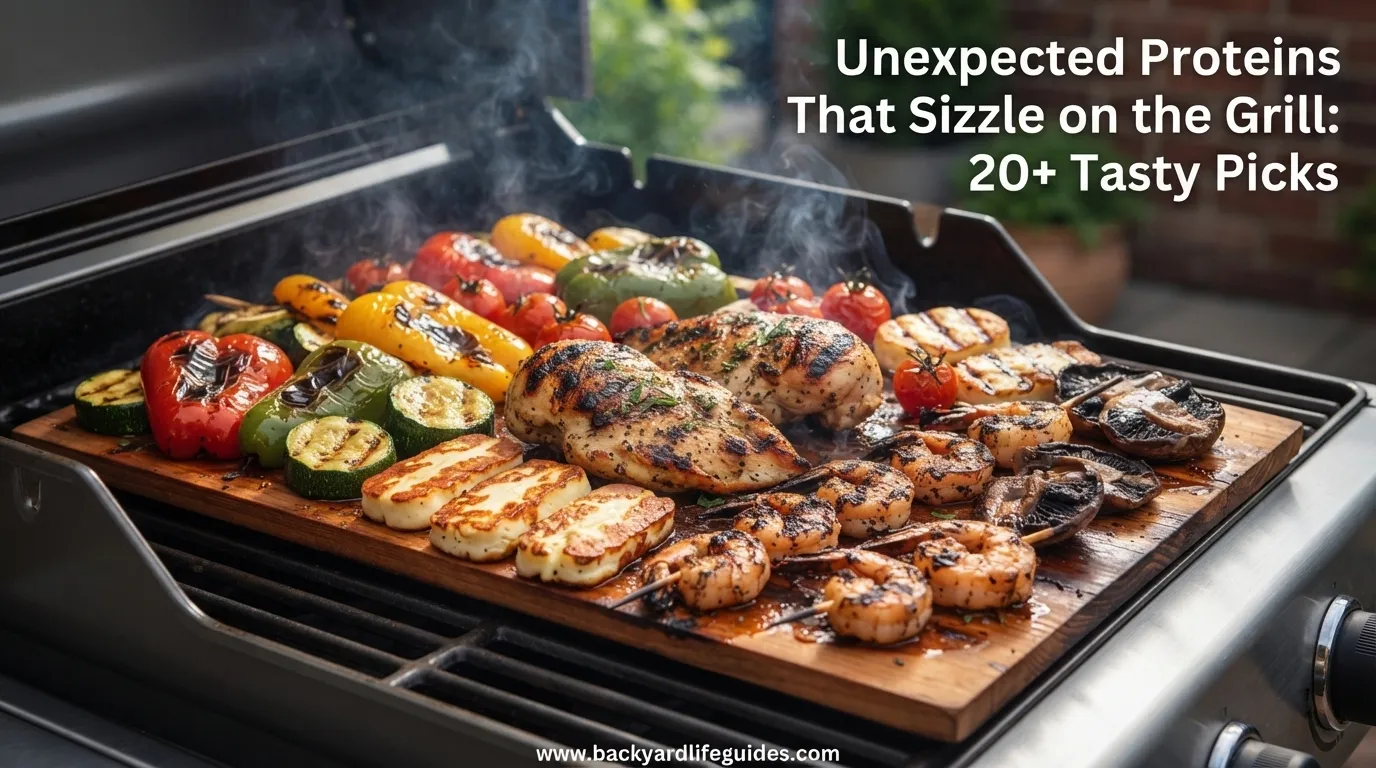
Unexpected Proteins That Sizzle on the Grill: 20+ Tasty Picks
- Disclosure: This post may include affiliate links. If you click a link and complete a purchase, I may earn a commission. Additionally, as an Amazon Associate, I earn from eligible purchases.
When grilling season arrives, burgers and steaks usually get most of the attention. But the grill can do much more than sear the usual favorites. Chicken skewers, lamb, seafood, tofu, tempeh, brisket, sausages, and even paneer can all become flavorful grilled meals when matched with the right heat and cooking approach.
The key is understanding how each protein behaves on the grill. Some benefit from a quick sear over direct heat, while thicker cuts need indirect cooking. Seafood generally cooks quickly, whereas brisket needs considerably more time. Plant-based proteins can also develop excellent grill marks when they are prepared correctly.
This guide brings together a practical range of animal and plant proteins, useful cooking targets, simple flavor ideas, and meal combinations so you can move beyond the standard burger-and-steak routine.
Why Try Different Proteins on the Grill?
Grilling a different protein is not simply about making dinner more interesting. Different foods respond differently to smoke, searing, marinades, rubs, and indirect heat.
A fatty steak can tolerate strong direct heat, while a delicate fish fillet needs more careful handling. Tofu and paneer benefit from a firm surface and controlled heat so they can brown without falling apart.
Trying different proteins also makes it easier to build meals around different preferences. A grill can support meat-based dinners, seafood meals, vegetarian plates, and mixed dishes without requiring a completely different cooking method.
Chicken Beyond the Standard Breast
Chicken is one of the easiest proteins to adapt to grilling, but there are several ways to make it more interesting.
Chicken Skewers and Kabobs
Chicken skewers are particularly useful because smaller pieces cook quickly and can be paired with vegetables such as bell peppers, onions, zucchini, and mushrooms.
A yogurt marinade can add moisture and flavor, while garlic, lemon, lime, cilantro, or spices can change the character of the meal without requiring a complicated preparation.
For boneless chicken breast, one practical target is 4–6 minutes per side over direct heat. The important part is checking the thickest section rather than relying only on appearance.
Chicken Shawarma
Chicken shawarma introduces Middle Eastern-inspired seasoning to the grill. Marinated chicken can be cooked over direct heat and then served with rice, salad, wraps, or other meal components.
Huli Huli Chicken
For a sweeter profile, Huli Huli chicken combines flavors such as pineapple juice, soy sauce, brown sugar, garlic, ginger, ketchup, and chicken broth.
The combination creates a flavorful glaze, but sugary sauces should be managed carefully because they can darken quickly over high heat.
Brisket: A Long-Haul Grill Option
Brisket is very different from quick-cooking chicken or shrimp.
It is a larger, tougher cut that benefits from indirect grilling and extended cooking. The material places approximate brisket grilling time around 5 hours, illustrating how dramatically cooking time can vary between proteins.
A barbecue rub can provide a flavorful exterior while indirect heat allows the thicker cut to cook gradually.
Because brisket takes much longer than many other grilled proteins, it works best when planned as the centerpiece of a meal rather than a last-minute dinner.
Bacon Adds a Different Kind of Grill Flavor
Bacon may not be the first protein people associate with outdoor grilling, but it can work when the heat is controlled.
The supplied information gives approximately 10 minutes as a grilling time. Bacon’s fat content means flare-ups deserve attention, so it is better to avoid unnecessarily aggressive heat.
Grilled bacon can also be incorporated into larger meals rather than served alone. It can complement vegetables, sandwiches, grilled potatoes, or other components.
Lamb Brings a Richer Grilling Option
Lamb provides several possibilities, including lamb chops and leg of lamb.
Grilled Lamb Chops
Lamb chops can be prepared relatively quickly. The material gives 10 minutes as a preparation/cooking reference for lamb chops.
Simple combinations involving rosemary, garlic, olive oil, black pepper, or mint yogurt can complement lamb without overwhelming it.
Leg of Lamb
A leg of lamb requires a different approach from individual chops.
The supplied grilling guidance uses 15 minutes per side for searing, followed by approximately 2 hours of indirect grilling. Internal temperature can then be used to judge doneness, with 145°F associated with medium and 160°F with medium-well in the material.
The two-zone approach is especially useful here: sear the outside over direct heat and then move the meat away from the strongest heat for longer cooking.
Ribs Need Patience
Ribs are another protein where indirect heat becomes important.
Instead of treating ribs like thin steaks, use a slower approach that allows the meat to spend more time away from intense direct flames. A barbecue rub can provide the main flavor, while a glaze can be applied later.
Once cooked, allow the ribs to rest for at least 10 minutes before serving.
Resting is a small step, but it gives the meat time to settle before slicing.
Sausages Are Easy—Until the Grill Gets Too Hot
Sausages are convenient because they require relatively little preparation, but high heat can create problems.
Strong flames can quickly brown the exterior while leaving the inside behind. A controlled combination of direct and indirect heat can therefore be more useful than simply placing sausages over the hottest part of the grill.
Watch for flare-ups, especially when the sausages release fat. Turning them regularly can help produce more even browning.
Seafood Deserves a Place on the Grill
Seafood expands the grilling menu considerably. The material includes salmon, shrimp, halibut, tilapia, trout, and scallops.
Salmon
Salmon is particularly suited to quick grilling.
A useful reference from the supplied material is 3–5 minutes on the skin side, followed by 1–2 minutes after flipping.
Lemon, garlic, olive oil, herbs, or a light glaze can all work with salmon.
Shrimp
Shrimp cook much faster than large cuts of meat. The supplied guidance gives approximately 2–3 minutes per side.
Look for the shrimp to become opaque and firm rather than depending solely on the clock.
Halibut and Tilapia
Halibut and tilapia provide leaner seafood options. Halibut can also be turned into a simple 4-ingredient grilled meal, while tilapia can be served with rice, quinoa, lemon, or incorporated into fish tacos.
Trout and Scallops
Trout provides another fish option for the grill, while scallops can be cooked quickly over direct heat. As with other seafood, avoiding unnecessary overcooking is important because smaller pieces can change texture rapidly.
Steak Does Not Have to Mean Ribeye
Ribeye is a classic grilling choice, but the supplied material also includes sirloin, strip steak, flat iron steak, and carne asada.
A 2.5 cm sirloin steak provides a useful timing reference: approximately 4 minutes per side for medium.
Rather than treating that number as an absolute rule, use it as a starting point and check the steak according to thickness and desired doneness.
For beef, a simple combination of black pepper, olive oil, garlic, or a dry rub can be enough to complement the natural flavor.
Pork Offers More Than Ribs
Pork chops and pork tenderloin give you additional options beyond traditional ribs.
Pork Chops
The supplied material recommends considering chops around 2–3 cm thick. Thickness matters because a thin chop and a thick chop will not behave the same way over the grill.
For beef, pork, and lamb steaks or chops, the referenced safe temperature is 63°C / 145°F, followed by approximately 3 minutes of resting.
Pork Tenderloin
Pork tenderloin works well with marinades. The material gives 30 minutes as a minimum marinade reference and 2 hours as a preferred marinade period.
A marinade can incorporate ingredients such as garlic, soy sauce, herbs, citrus, or other flavors already represented in the grilling recipes.
Turkey Is an Easy Alternative to Beef
Turkey burgers are a useful option when you want a burger-style meal without using beef.
Because ground turkey requires careful cooking, the supplied safe-temperature guidance is 74°C / 165°F.
A turkey burger can become part of a larger meal with grilled vegetables, salad, corn, or other sides.
Plant-Based Proteins Can Sizzle Too
A grill does not need to be centered entirely around meat.
The material includes tofu, tempeh, seitan, paneer, halloumi, and black bean patties. These provide different textures and cooking characteristics.
Tofu
Tofu benefits from preparation before it reaches the grill.
The supplied information recommends pressing tofu for about 20 minutes. Once prepared, tofu slabs can be grilled for approximately 4 minutes per side.
A teriyaki-style flavor, spicy mayo, yogurt-based sauce, or marinade can turn grilled tofu into a more substantial meal.
Tempeh
Tempeh can benefit from approximately 10 minutes of steaming before grilling.
Afterward, it can be seasoned or marinated and placed over direct heat to develop a browned exterior.
Seitan
Seitan provides a firmer plant-based option. It can be marinated, grilled, and combined with vegetables, sauces, rice, or wraps.
Paneer and Halloumi
Paneer and halloumi are especially useful for people who want a substantial vegetarian grilling option.
Cut them into grillable pieces and use controlled direct heat to develop browning without leaving them on the grill unnecessarily long.
Black Bean Patties
Black bean patties can provide a plant-based alternative to traditional burgers. The nutrition reference lists a 120 g serving at approximately 12 g protein and 210 calories.
Protein and Calorie Reference
The supplied information provides the following approximate nutritional comparisons.
| Protein | Serving | Approx. Protein | Approx. Calories |
|---|---|---|---|
| Chicken breast | 120 g | 36 g | 198 kcal |
| Salmon fillet | 120 g | 26 g | 230 kcal |
| Shrimp | 120 g | 24 g | 120 kcal |
| Turkey burger | 120 g | 28 g | 210 kcal |
| Sirloin steak | 120 g | 31 g | 240 kcal |
| Pork chop | 120 g | 29 g | 230 kcal |
| Tofu | 150 g | 18 g | 150 kcal |
| Tempeh | 120 g | 21 g | 230 kcal |
| Paneer | 90 g | 17 g | 270 kcal |
| Seitan | 120 g | 25 g | 170 kcal |
| Black bean patty | 120 g | 12 g | 210 kcal |
These figures are approximate references, not universal nutritional values. Preparation method, ingredients, product composition, and serving size can change the final numbers.
The Right Heat Matters as Much as the Protein
One of the biggest differences between successful grilling and frustrating grilling is heat management.
Direct Heat
Direct heat places the protein directly over the heat source. It is useful for foods that cook relatively quickly, including:
- Chicken pieces
- Shrimp
- Salmon
- Steak
- Tofu
- Paneer
- Halloumi
- Sausages
Indirect Heat
Indirect heat moves food away from the strongest heat source.
It is particularly useful for larger or slower-cooking foods such as:
- Brisket
- Ribs
- Leg of lamb
- Larger cuts
Two-Zone Grilling
Two-zone grilling combines both approaches.
One side provides stronger direct heat for searing, while another area provides gentler indirect cooking. This is particularly useful when a protein needs a strong exterior finish but more time to cook internally.
Marinades, Rubs, and Glazes
A protein does not need an elaborate sauce to become interesting.
Marinades
The supplied feature ingredients such as:
- Yogurt
- Buttermilk
- Soy sauce
- Olive oil
- Garlic
- Ginger
- Lemon
- Lime
- Pineapple juice
- Red wine vinegar
Chicken, pork tenderloin, lamb, and seafood can all benefit from different marinade combinations.
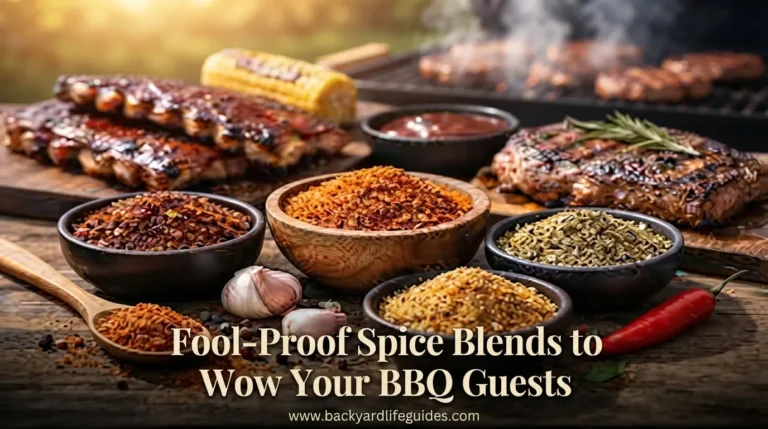
Dry Rubs
Dry rubs are especially useful for foods such as brisket and ribs. They can create a flavorful exterior without adding liquid during the early cooking stage.
Glazes
Glazes are best treated as a finishing element. The supplied material notes that a glaze can bubble for approximately 30–60 seconds late in cooking.
Because many glazes contain sweet ingredients, applying them too early can encourage excessive browning.
Safe Internal Temperatures
A thermometer is more reliable than appearance alone for proteins where food safety matters.
| Protein | Reference Safe Temperature | Resting Guidance |
|---|---|---|
| Chicken / turkey | 74°C / 165°F | 3–5 minutes |
| Ground beef / pork / turkey | 71°C / 160°F | 2–3 minutes |
| Beef / pork / lamb steaks or chops | 63°C / 145°F | 3 minutes |
| Fish fillets | 63°C / 145°F | 1–2 minutes |
| Shrimp / scallops | Opaque and firm | Serve |
| Tofu / tempeh / seitan | Heated through | Serve |
| Reheated leftovers | 74°C / 165°F | Serve |
Use the thermometer in the thickest part where appropriate, rather than touching the grill surface or relying only on color.
Five Easy Grilled Protein Meal Ideas
A protein becomes much more useful when you know what to serve with it.
Speedy Salmon and Greens
Pair grilled salmon with greens and a simple lemon-based flavor profile for a quick seafood plate.
Chicken, Corn, and Pepper Bowls
Combine grilled chicken with corn and peppers, then build the meal around rice, quinoa, or another simple base.
Steak With Tomato Salad
A grilled steak can become a complete meal when paired with a fresh tomato salad and a simple dressing.
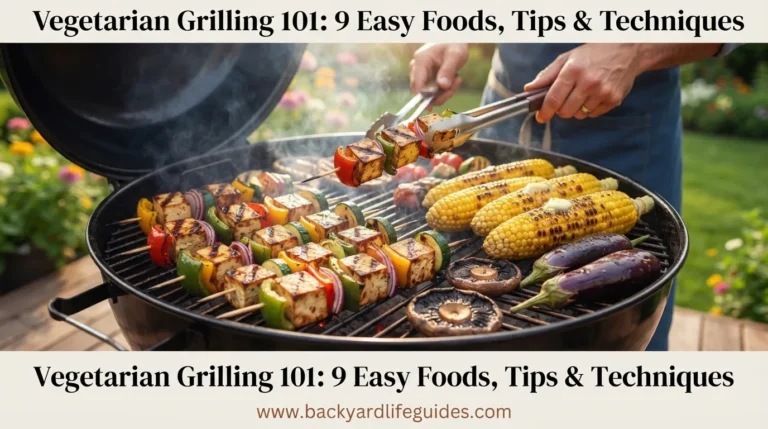
Tofu and Vegetable Skewers
Thread tofu with peppers, zucchini, mushrooms, or onions for a colorful plant-based grill meal.
Tempeh Satay Plates
Grilled tempeh can be combined with a satay-style sauce, vegetables, and a grain or other meal base.
Grilled Vegetables Complete the Meal
Protein does not have to occupy the entire grill.
Useful vegetable pairings from the supplied material include:
- Asparagus
- Zucchini
- Squash
- Mushrooms
- Corn
- Bell peppers
These can be cooked alongside chicken, seafood, tofu, steak, or other proteins to create a complete plate with less additional preparation.
Common Grilling Mistakes to Avoid
Using One Heat Level for Everything
A steak, shrimp, brisket, and tofu do not need identical treatment. Adjust the heat according to the protein.
Relying Only on Time
Cooking times are useful starting points, but thickness and heat can change the result. A thermometer is especially valuable for meat and poultry.
Applying Sweet Glazes Too Early
Sweet sauces can brown rapidly. Save them for the later stage when possible.
Ignoring Resting Time
Resting is part of the cooking process. The supplied guidance ranges from 1–2 minutes for fish to 3 minutes for beef, pork, and lamb steaks or chops and 3–5 minutes for chicken and turkey.
Overcrowding the Grill
When too much food is packed into one area, controlling heat becomes more difficult. Leave enough room to move food between direct and indirect zones.
Leftover and Storage Guidance
The supplied material recommends keeping grilled leftovers for approximately 3–4 days.
When reheating leftovers, the referenced target is 74°C / 165°F.
For better results, store leftovers promptly and reheat only the amount you plan to eat rather than repeatedly heating the entire batch.
How to Choose Your Next Grilled Protein
If you normally grill only burgers and steaks, start with a protein that fits the amount of time you have.
For a quick meal: choose shrimp, salmon, chicken, tofu, or paneer.
For a classic grilled dinner: try sirloin, ribeye, pork chops, lamb chops, or sausages.
For a long cooking session: choose brisket, ribs, or leg of lamb.
For a plant-based meal: try tofu, tempeh, seitan, paneer, halloumi, or black bean patties.
For something different: try chicken shawarma, beef galbi, beef kafta, salmon kebabs, carne asada, or Huli Huli chicken.
The best choice ultimately depends on the time available, preferred flavor, desired texture, and whether you want a quick meal or a longer backyard cooking project.
FAQs
What are some unexpected proteins to grill?
Some less conventional choices include shrimp, salmon, lamb, brisket, bacon, sausages, tofu, tempeh, seitan, paneer, halloumi, and black bean patties.
How long should chicken breast be grilled?
The supplied grilling guidance gives approximately 4–6 minutes per side for boneless chicken breast. Use internal temperature as the final safety check.
What temperature should chicken reach on the grill?
Chicken and turkey should reach 74°C / 165°F according to the supplied safe-temperature reference.
How long does brisket take on the grill?
The guidance gives approximately 5 hours for brisket, although the actual cooking process can vary with the cut and grilling setup.
How long should salmon be grilled?
The supplied reference suggests 3–5 minutes skin side down, followed by approximately 1–2 minutes after flipping.
Can tofu be grilled?
Yes. Press tofu for about 20 minutes, then grill slabs for approximately 4 minutes per side to develop a browned exterior.
What plant proteins are good for grilling?
Good options include tofu, tempeh, seitan, paneer, halloumi, and black bean patties.
What is two-zone grilling?
Two-zone grilling creates a direct-heat area for searing and an indirect-heat area for slower cooking. It is particularly useful for thicker proteins and larger cuts.
How long should grilled meat rest?
The supplied guidance ranges from 1–2 minutes for fish to around 3 minutes for beef, pork, and lamb steaks or chops and 3–5 minutes for chicken and turkey.
What can I serve with grilled proteins?
Grilled proteins pair well with corn, asparagus, zucchini, squash, mushrooms, peppers, salads, rice, quinoa, wraps, and tacos.
Final Thoughts
The grill is much more versatile than a simple burger-and-steak station. Brisket, lamb, seafood, poultry, sausages, pork, tofu, tempeh, seitan, paneer, and halloumi can all create satisfying grilled meals when matched with the right preparation and heat.
The biggest lesson is not to treat every protein the same. Quick-cooking foods such as shrimp and salmon need short exposure to direct heat, while larger cuts such as brisket and leg of lamb benefit from indirect cooking. Plant proteins need their own preparation techniques, such as pressing tofu or steaming tempeh.
Keep a grill thermometer, understand your heat zones, allow cooked proteins to rest, and use the cooking times in this guide as practical starting points rather than rigid rules.
With a little experimentation, the next thing sizzling on your grill does not have to be another burger.